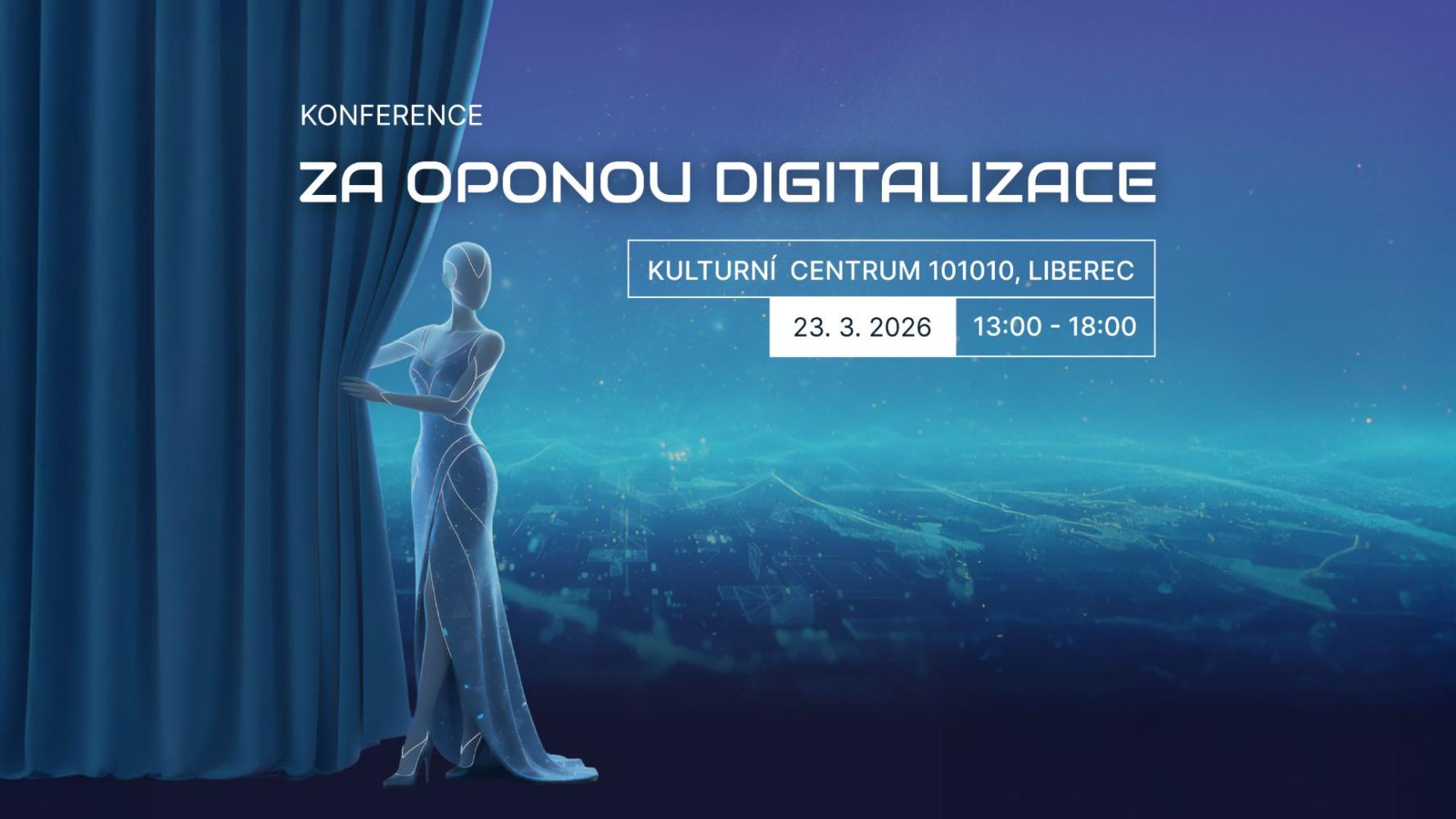
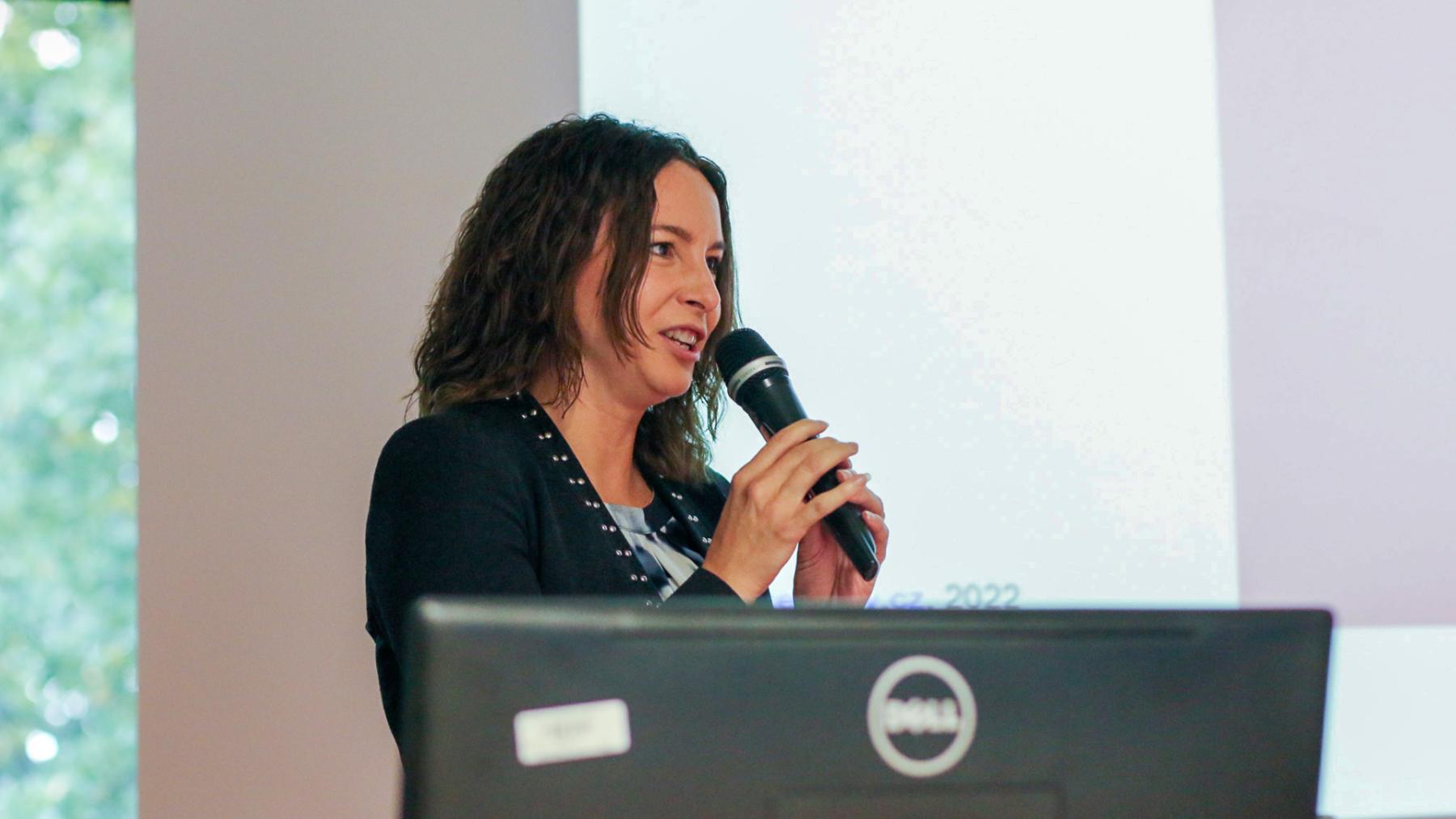
How can digital technologies and artificial intelligence be integrated into business effectively and safely? Answers will be offered by the Behind the Scenes of Digitalisation conference, which will take place on Monday, 23 March at the 101010 Cultural Centre in Vratislavice, Liberec. The event is organised by the Regional Development Agency of the Liberec Region (ARR) and is intended for small and medium sized enterprises, sole traders and representatives of public administration. Admission is free upon prior registration.
The programme will focus on the issues companies deal with most often: the use of AI, cybersecurity and the legal implications of introducing new technologies. ARR brings this know how and the related services to the region through the European Digital Innovation Hub Northeast Bohemia (EDIH NEB) project.
“We want to create a space where companies, experts and public administration can come together and talk concretely about what works in practice. Sharing experience and direct contact with experts are key to the further development of regional businesses,” says Edvard Kožušník, Statutory Deputy Governor for Economic and Strategic Development.
AI will change the way we work. Companies need to prepare
One of the main highlights of the programme will be a presentation by Lukáš Kačena, the Government Commissioner for Artificial Intelligence. He will focus on the current state of AI in the Czech Republic and the government’s priorities in this area. “AI is rapidly becoming part of companies’ competitiveness, from higher productivity and automation to better work with data and customers. At the same time, the importance of its safe and trustworthy use is growing, including the ability to navigate European rules that will increasingly shape business practice,” says Kačena. According to him, AI will significantly transform the way people work in the coming years. “There will be less routine work and more quality control, decision making and responsibility. The importance of digital skills and the ability to work with rules that will gradually become stricter will also grow,” he adds.
Law, responsibility and the risks of AI
Petra Stupková, AI Personality of the Year 2025 in the field of law, will present the legal aspects of using artificial intelligence. She will focus on responsibility when working with AI, data protection, copyright and the contractual setup of IT projects. She will explain what to watch out for when introducing new technologies and how to avoid legal problems. She will also be available for individual consultations throughout the day.
Practical examples: from 3D printing to a digital museum
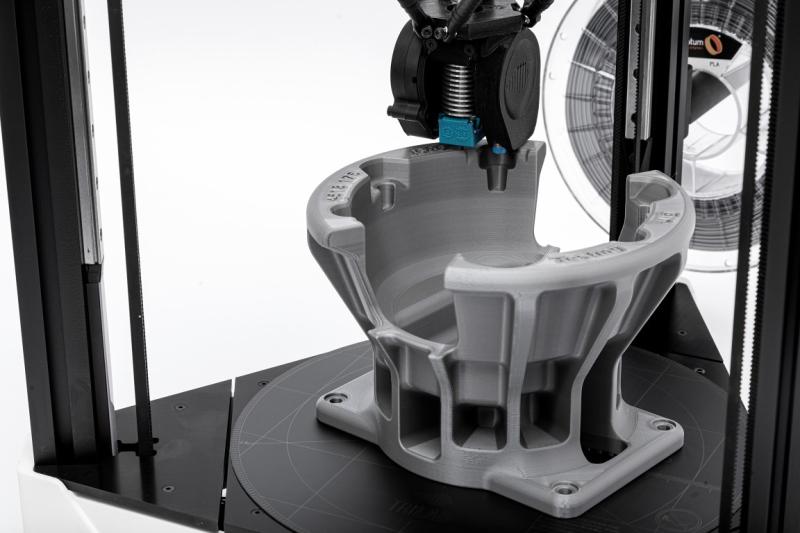
The programme will also include case studies. Prusa Research will present the use of 3D printing in education, ethical hacker Petr Váchal will demonstrate real world cyberattack scenarios and defence options, and David Mařák will show how a digital avatar brought the exhibition of the Třebechovice Museum of Nativity Scenes to life.
Practical experience will also be shared in a panel discussion featuring Kateřina Jílková (VODA CZ), Jan Kočí (CXI TUL), Martin Řípa (Posedla) and Petra Jáhnová (Třebechovice Museum of Nativity Scenes). The event will also include a showcase zone with technology demonstrations and opportunities for direct consultation with experts.
Behind the Scenes of Digitalisation
Join us to explore the impact of digitalisation on society, businesses and public institutions. We will focus on AI, cybersecurity and the legal aspects of using new technologies.
Support that continues beyond the conference
The aim of the conference is not only to inspire, but also to show how companies can follow up on the information they gain with concrete steps. Through the EDIH NEB project, the Regional Development Agency offers free consultations, technology testing and support with implementation. Over the past three years, these programmes have been used by more than 900 companies and nearly 500 public institutions.