
Smart pads from Hradec Králové are transforming care in care homes for older people
February 12, 2026
4 minutes
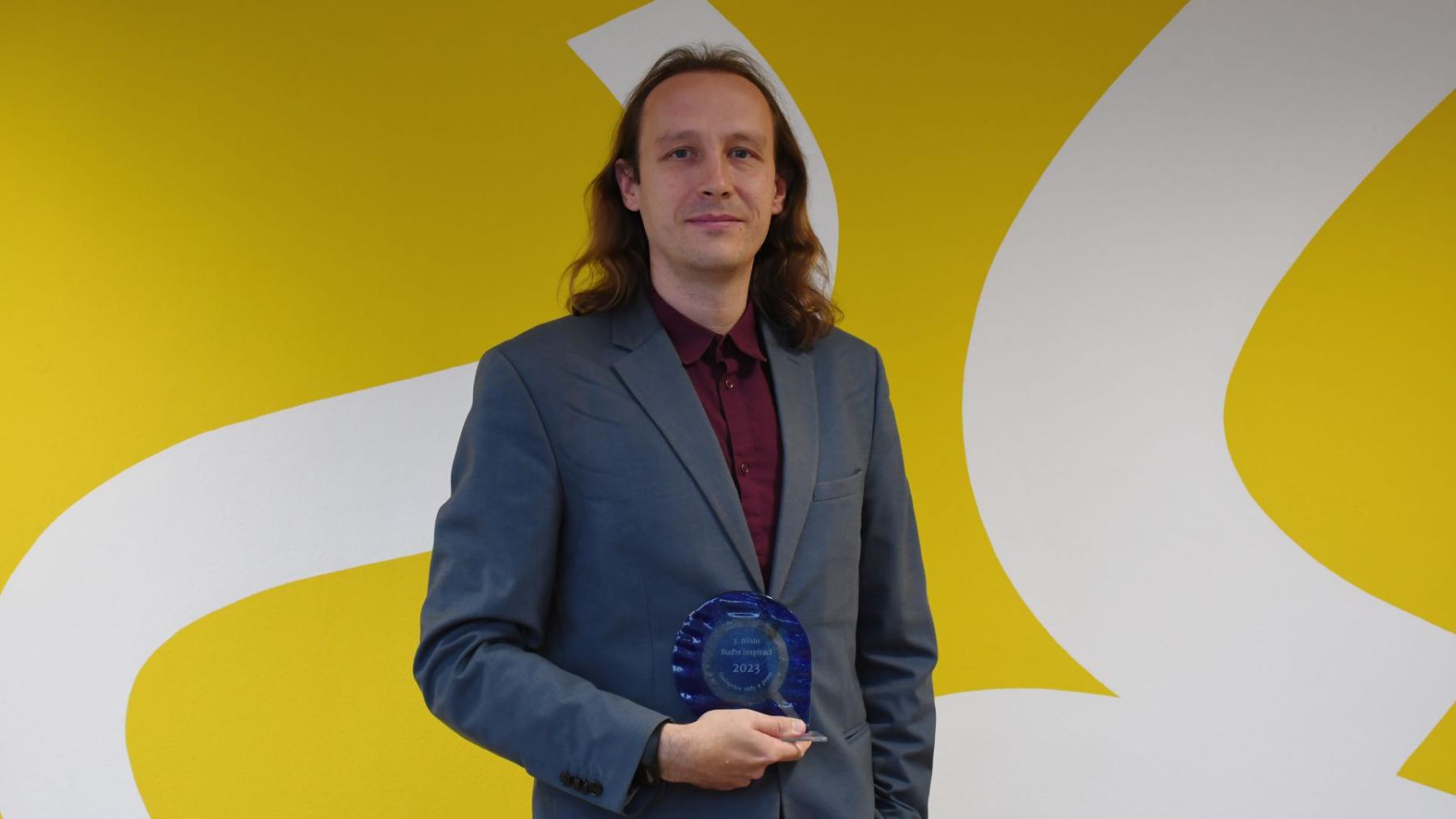
The team at the Centre of Advanced Technologies at the University of Hradec Králové is among the key domestic players in the field of healthcare technologies. Among other things, it is behind the Anume pads, which can predict health problems in older people with up to 98% accuracy. How did a project that began as a student idea make it into practice – and what do healthcare professionals and care home management themselves value about it?
The journey from research to a real-world product took six years. Today, the contactless vital-sign monitoring pads are used in nursing homes for seniors in the Czech Republic and abroad. They made their way to the north of the country thanks to the Smarter Liberec Region strategy and the EDIH project, led by the Regional Development Agency as the consortium leader.
“When nurses called us to say that thanks to us they had saved someone who fell out of bed and could not call for help, we knew it made sense,” says Richard Cimler, Head of the Centre of Advanced Technologies at the university in Hradec Králové.
He had been working on the topic of well-being already during his PhD. The original focus of CAT, founded in 2017, was sensor technology for the smart home, however. The team put the experience gained to use in developing a system for monitoring student activity: “We joined forces with colleagues from the Faculty of Science, who brought know-how in data analysis and could read vital functions from micro-movements of the body,” Cimler describes.
He continues: “Originally, we wanted to create sensitive sensors for car seats. The breakthrough came when we teamed up with the SeneCura network of care homes for older people in Hradec Králové. That’s how the concept of pads emerged: at first glance they look inconspicuous, but inside they hide sensitive sensors capable of monitoring, for example, a person’s breathing and heart rate while in bed.”
Advanced monitoring without any limitations
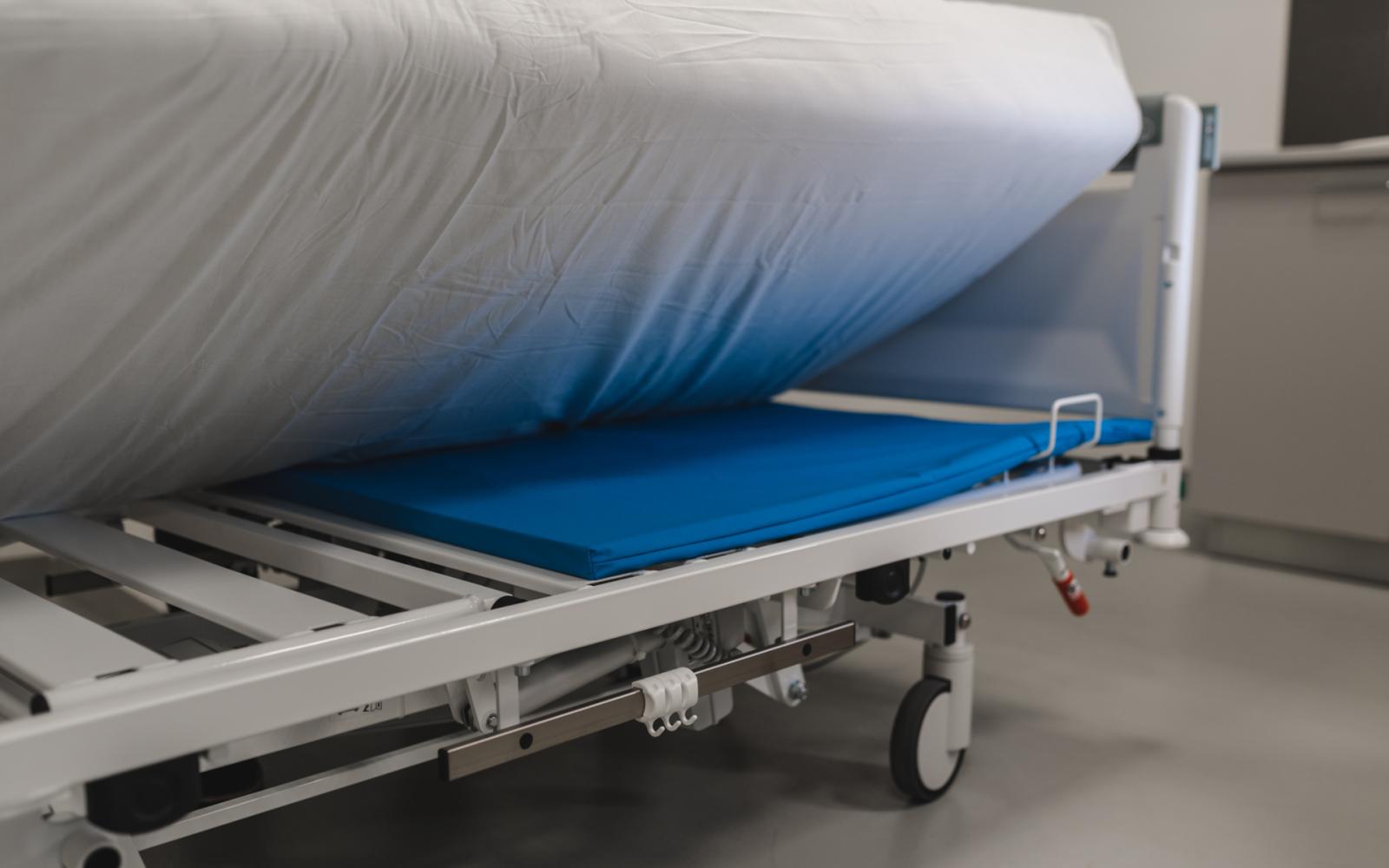
It turned out that the key benefit of the pads lies in monitoring the client’s movement on the mattress. The system can alert staff that a patient has not turned for a long time, enabling timely repositioning. This helps prevent dangerous pressure ulcers, which up to 20% of bedbound people will encounter.
The Anume system is contactless, does not bother clients and, thanks to easy cleaning, meets hygiene requirements. Installation is straightforward: the pad is placed under the mattress, plugged into the mains, and all data is securely stored in the cloud. And thanks to a dashboard, management also has an excellent overview of the situation in each home.
The path from the laboratory to practice took six years. With the entry of a commercial partner, the pads managed to obtain medical device certification. “At present we have hundreds of installations,” adds the Head of CAT. Hospitals are also interested in the technology and in collaboration on research into recognising sleep apnoea or cardiac arrhythmia. The aim is for doctors to be able to intervene before complications – often fatal – develop.
From the defence industry to healthcare
The Centre of Advanced Technologies now employs thirty people and works on dozens of projects. Similar algorithms, used in the pads to detect vital functions, also serve – somewhat unexpectedly – to analyse radar images.
“In real time, the system evaluates the image, detects targets and handles prioritisation during an attack by a swarm of drones. At its core, it’s still signal processing. Whether it comes from a healthcare device or a radar is not, in fact, essential for us,” Cimler describes the surprising connection.
CAT also reaches into healthcare through the HealthReact application, which collects data from fitness bands, smart rings, glucose meters and other wearable electronics. “When the system evaluates an anomaly, such as an unusually increased heart rate, the user receives a notification on their phone. It often takes the form of a questionnaire that helps clarify in what context the event occurred,” Cimler explains another strand of his department’s activities. The application is used in research projects, for example at universities in the Sorbonne, in Ghent or in Limerick.
“It would be great if we could leave behind several functioning products that help people in the real world, and thus leave a mark not only in the region but also in research and healthcare,” Richard Cimler concludes. The current success of the healthcare pads suggests that the Centre of Advanced Technologies team is well on its way to that goal.
TechCare 2026
Join us to explore the benefits of artificial intelligence, robotics and digital innovations in healthcare, community-based support, care for older people and smart devices. Meet the experts who are shaping the future of healthcare.
Hear more at TechCare 2026
Richard Cimler is one of the speakers at the TechCare 2026 conference, where he will talk about the healthcare pad project as well as other CAT activities.
The conference takes place on Wednesday 25 February 2026 from 10:00 to 18:30 at the Vratislavice 101010 Cultural Centre and is organised by the Regional Development Agency together with the Science and Technology Park of Palacký University in Olomouc and other partners; patronage has been assumed by Edvard Kožušník, Statutory Deputy Governor of the Liberec Region for Economic and Strategic Development.
Recommended articles
AI won't save you if you don't know what you want. Marketing Masters showed what businesses really need
Marketing is changing rapidly. New technologies, tools and ways of reaching customers are constantly emerging. But even the best of them cannot solve the problems of a business that doesn't understand its customers or struggles to align marketing with product development and sales. Finding common ground between these areas was one of the central themes of the October Marketing Masters conference, brought to the region by the Regional Development Agency and the Liberec Region.
Student proposals improve manufacturing operations through TechStarter. Its third edition is launching
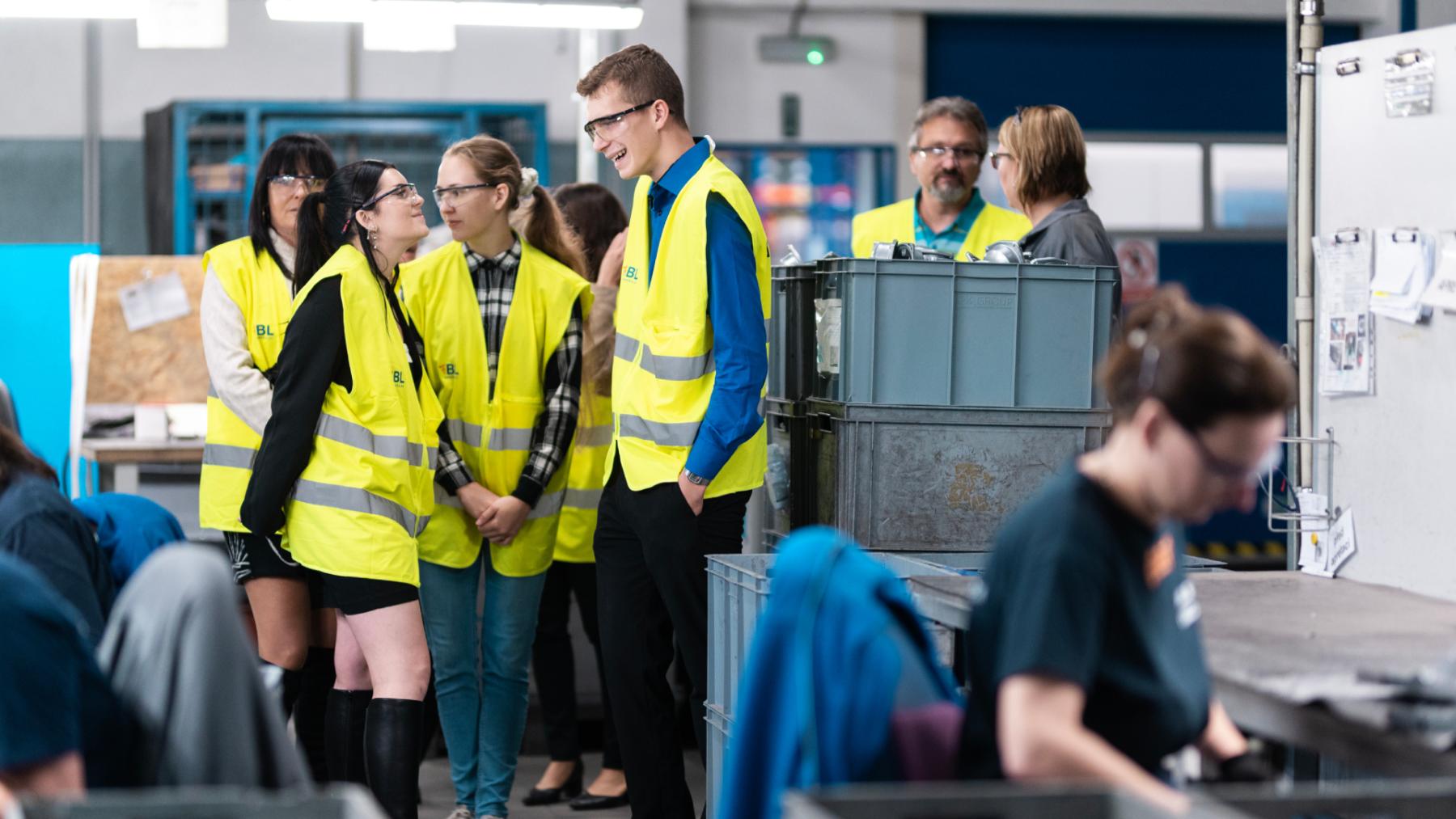
ZF Automotive’s Jablonec plant wants to test machine vision on an assembly line, while industrial equipment supplier FOXON plans to visualise data from electricity meters. These are just some of the challenges awaiting participants in TechStarter 2027, a competition programme organised for the third time by the Regional Development Agency and the Liberec Region. The programme gives students at secondary technical schools the opportunity to work on problems that companies are actually dealing with.
Be with us. Be part of what’s next.





The 1012plus.cz portal has been implemented within the framework of “Smart Akcelerator II Libereckého kraje” project CZ.02.2.69/0.0/0.0/18_055/0016369.
Smart Akcelerator II Libereckého kraje has been implemented by ARR s.r.o. and it has been funded using the European Union funds, the Ministry of Education, Youth and Sport of the Czech Republic and Liberec Region. © ARR spol. s r.o., U Jezu 525/4, 460 01 Liberec