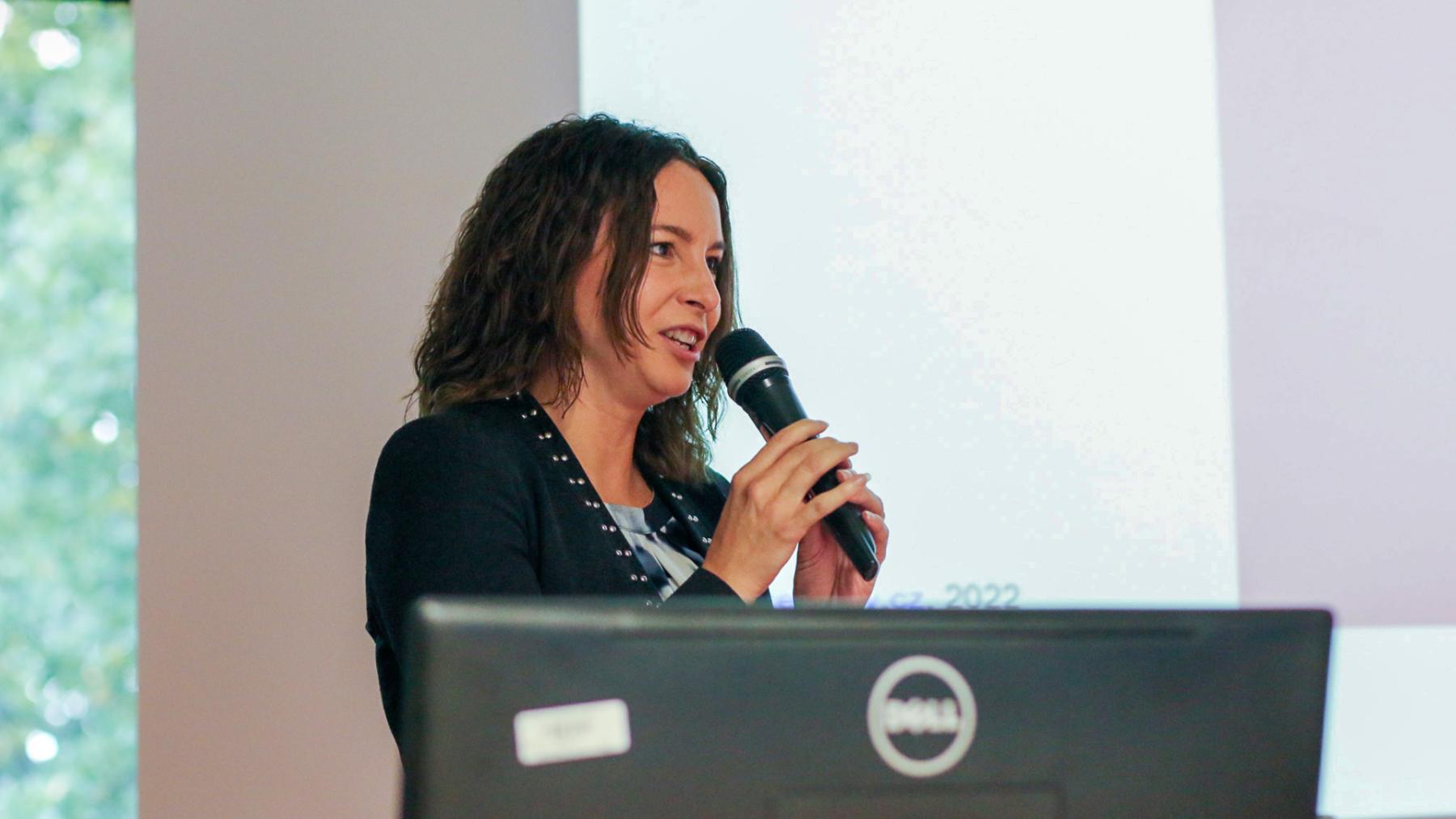
How can modern technologies help in paediatric oncology? How can artificial intelligence be used in the prevention of heart disease, or virtual reality in the training of healthcare professionals? These questions were explored by nearly 280 doctors, healthcare managers and representatives of technology companies from across the country at the TechCare 2026 conference, held in Liberec on 25 February.
The event was organised by the Regional Development Agency together with the Science and Technology Park of Palacký University Olomouc and other partners. It was held under the auspices of Edvard Kožušník, Statutory Deputy Governor of the Liberec Region for Economic and Strategic Development.
“We have the highest proportion of people aged over 65 in the country, which means greater pressure on healthcare. Technology is key to meeting this challenge. TechCare is proof that modern healthcare is no longer the future, but a reality,” says Edvard Kožušník.
The packed hall of the cultural centre in Vratislavice only confirmed the growing interest in bringing innovation into everyday practice more quickly.
AI, modern surgery and smart homes
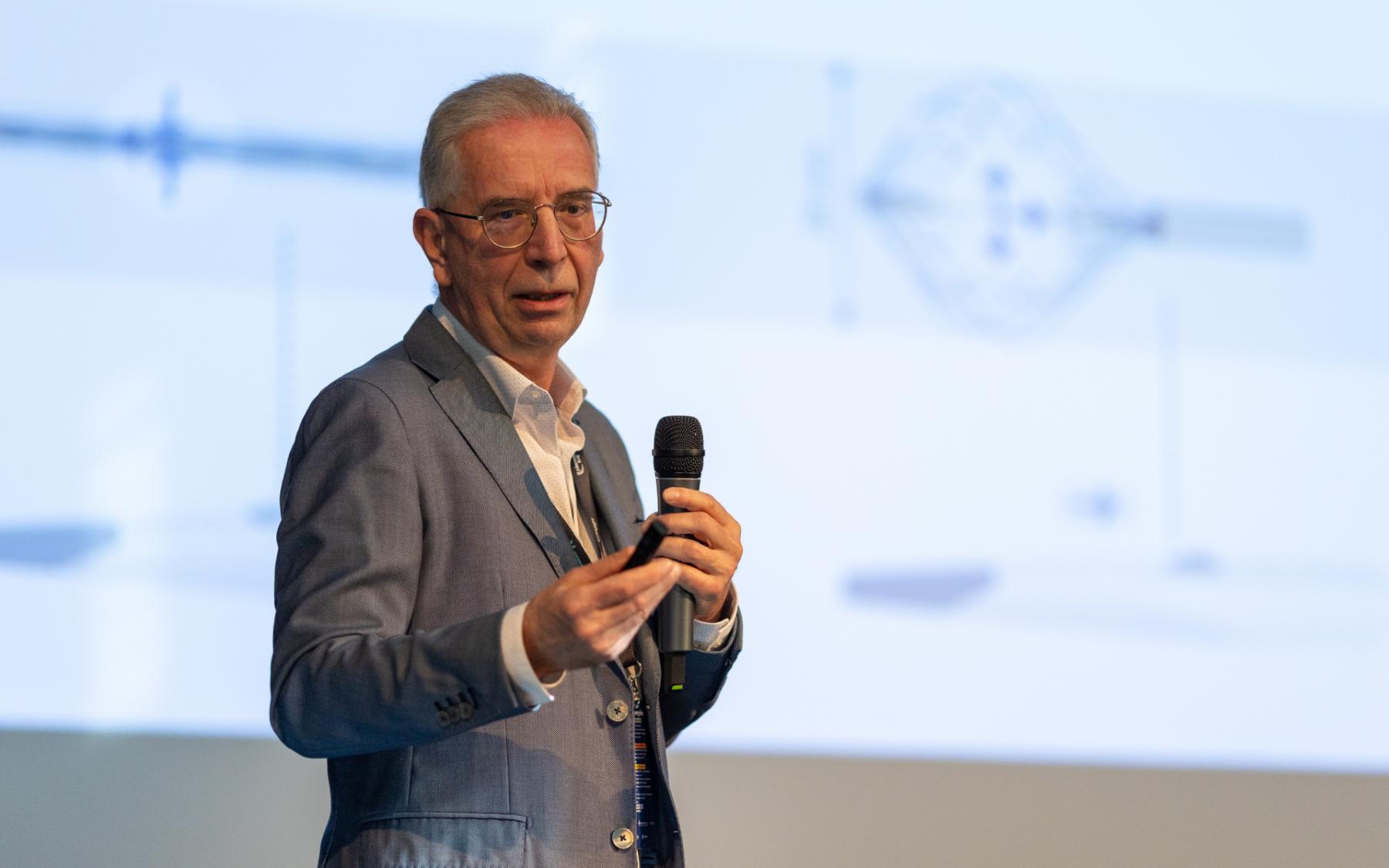
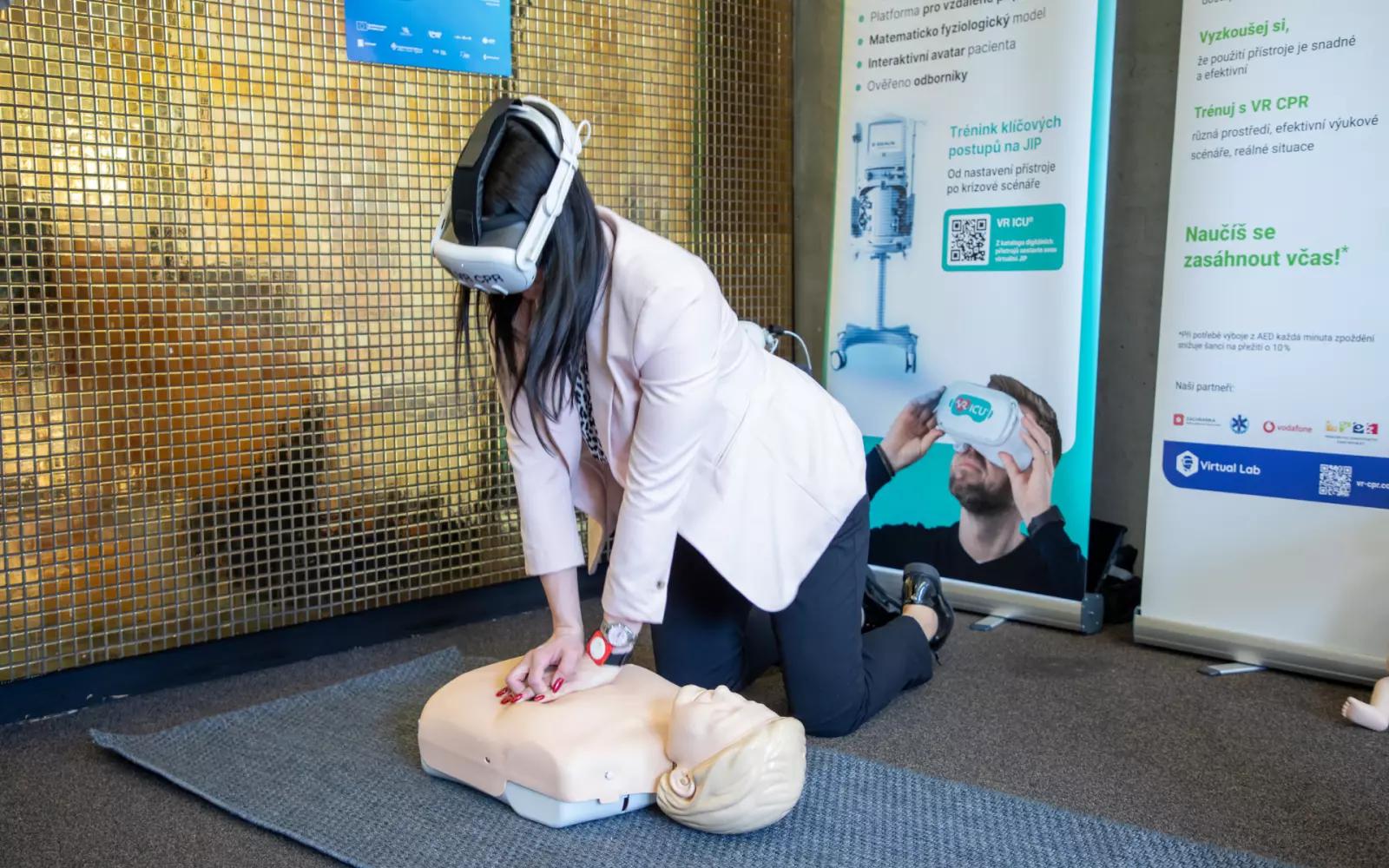
The expert programme opened with concrete examples of how technology is being used in medicine. Speakers shared experience with advanced imaging methods and virtual reality in the surgery of paediatric brain tumours, with the use of artificial intelligence in the prevention of heart disease, and with the digitalisation of hospital processes.
Alongside cutting-edge medicine, the conference also presented projects focused on patients’ quality of life, including an intelligent home for people with autism spectrum disorder and smart sensor systems in senior care facilities that increase safety while reducing the administrative burden on staff.
Liberec at the forefront of technological change
Projects emerging directly from the region also made a strong impression. Nanoflexion, a spin-off of the Technical University of Liberec, presented nanofibre patches designed to support patients’ recovery after bowel surgery. Ondřej Livora, in turn, introduced the Harmony radio, a device intended for patients with brain injuries.
“The impulse for its development came when my father suffered a severe stroke and we were looking for a way to improve his everyday life. The device is designed so that it can be operated even by people with reduced mobility or neurological impairment,” Livora explained.
Liberec Regional Hospital presented its Living Lab model, which makes it possible to test new technologies directly in hospital operations and to involve healthcare professionals and patients already at the development stage.
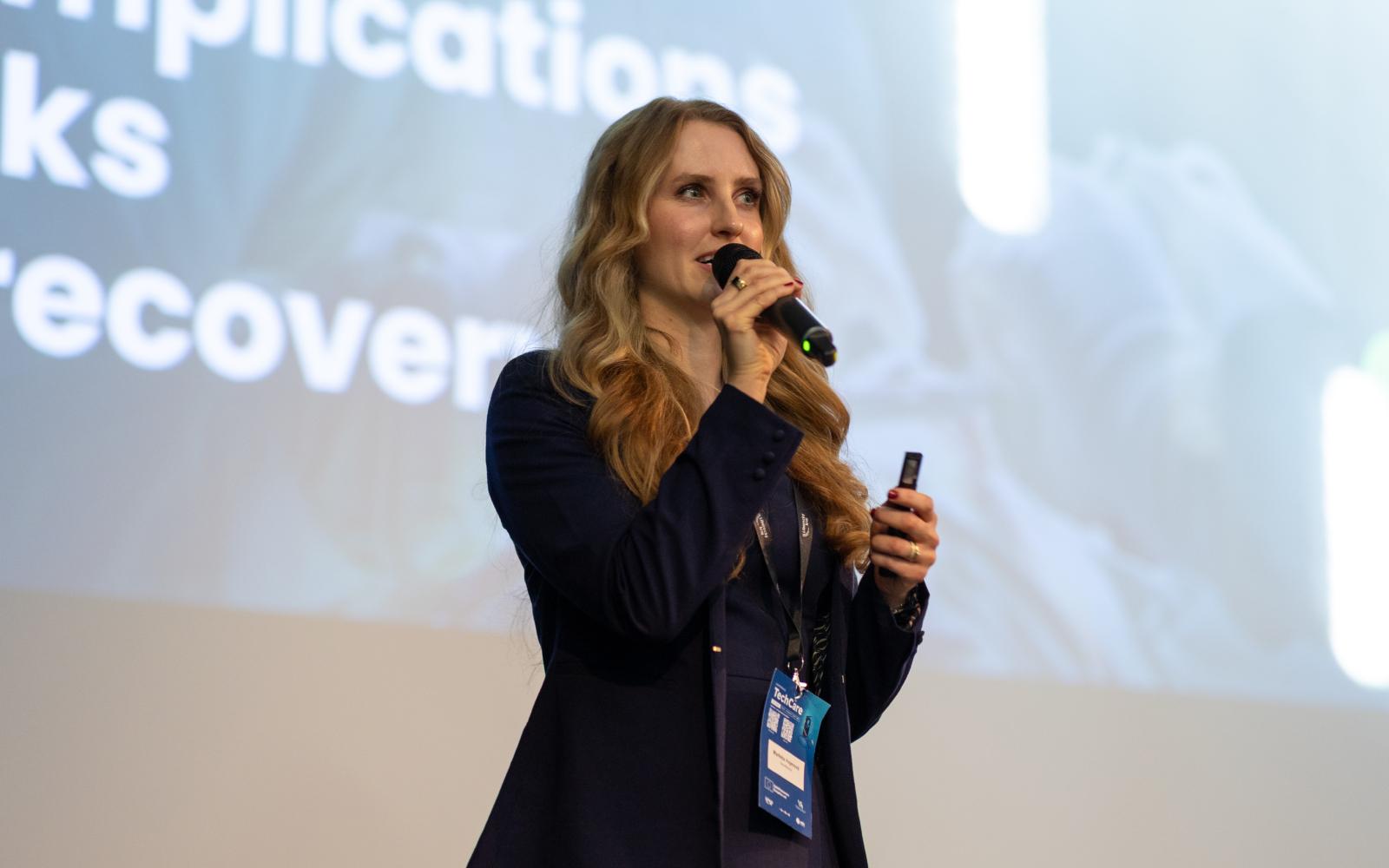
“Innovation must emerge through dialogue with those who are with patients every day. If a new solution is to make sense, it must respond to the real needs of clinical practice,” says Vendula Macháčková, Head of the Department of Science, Research and Innovation at Liberec Regional Hospital.
TechCare thus confirmed Liberec’s role as an important centre of collaboration between medicine, research and technology companies.
Dialogue instead of presentations
The conference was hosted by Dr Tomáš Šebek, who has long supported the digitalisation of healthcare and the systematic connection of doctors with developers.
“The aim is to connect healthcare professionals, startups and innovation centres so that good ideas do not get lost in regulation and funding. On one side are people with a technology or a great idea, on the other institutions that know how to test it and put it into practice. TechCare brings these worlds together,” said Šebek.
In addition to the expert sessions, round tables were held focusing on the path of a technology from idea to patient, from validation through regulation and funding to the building of innovation consortia. The discussions were also attended by 20 students from the Technical University of Liberec. It was here that the factors deciding success were discussed openly: safety, quality, legislation and economic sustainability.
A format that had been missing in the Czech Republic
TechCare built on the previous edition held in Olomouc. This year’s attendance and the intensity of the discussions showed that targeted collaboration between hospitals, research institutions and technology companies resonates strongly in the Czech environment. The organisers are therefore planning another edition next year.