When I reach the end of my service life, I want to be recycled – so I can keep serving. That is how appliances given a new purpose by PRAKTIK system might speak. The company has been dealing with the disposal of electrical appliances and plastics from the electrical and automotive sectors for more than 30 years, with a strong focus on processes that return recycled materials back into production across Europe.
Behind the gates of modern-day “miners”
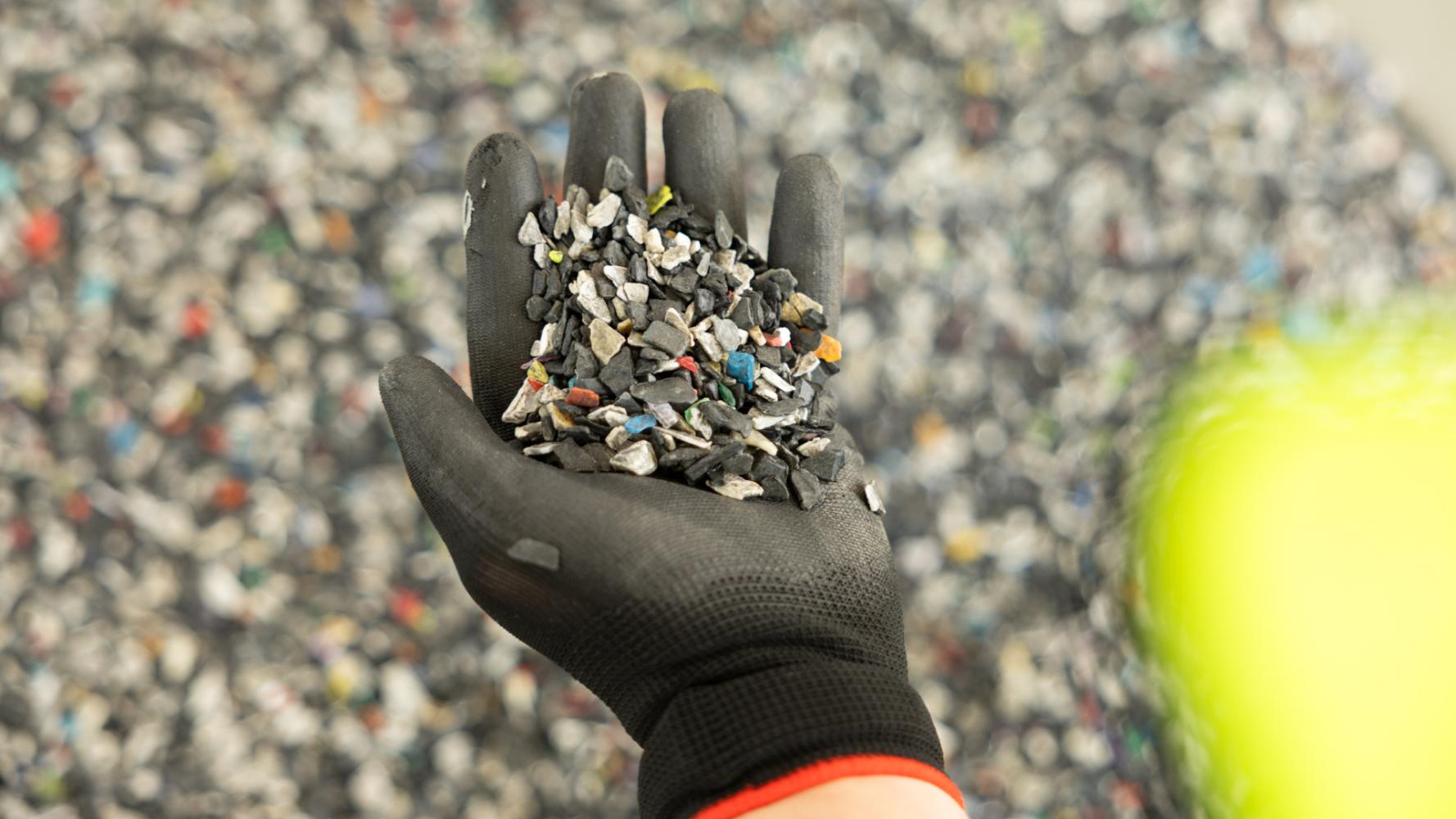
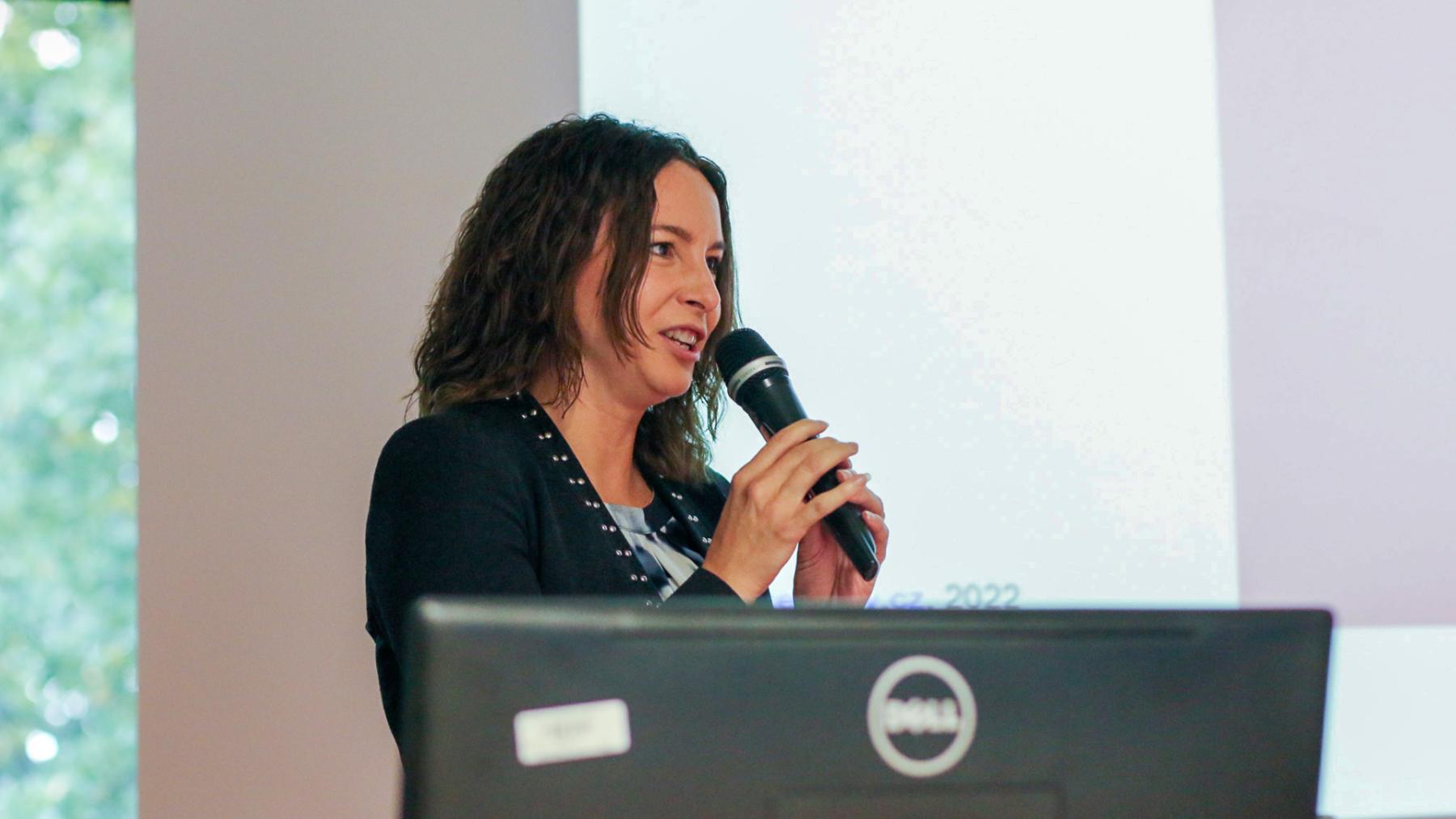
The emphasis on purity gives recyclate from the Stráž-based company a higher level of value. “The quality of recyclates is crucial if we want to reach manufacturers across Europe,” explains Jana Hloušková, Sales Manager at PRAKTIK system.
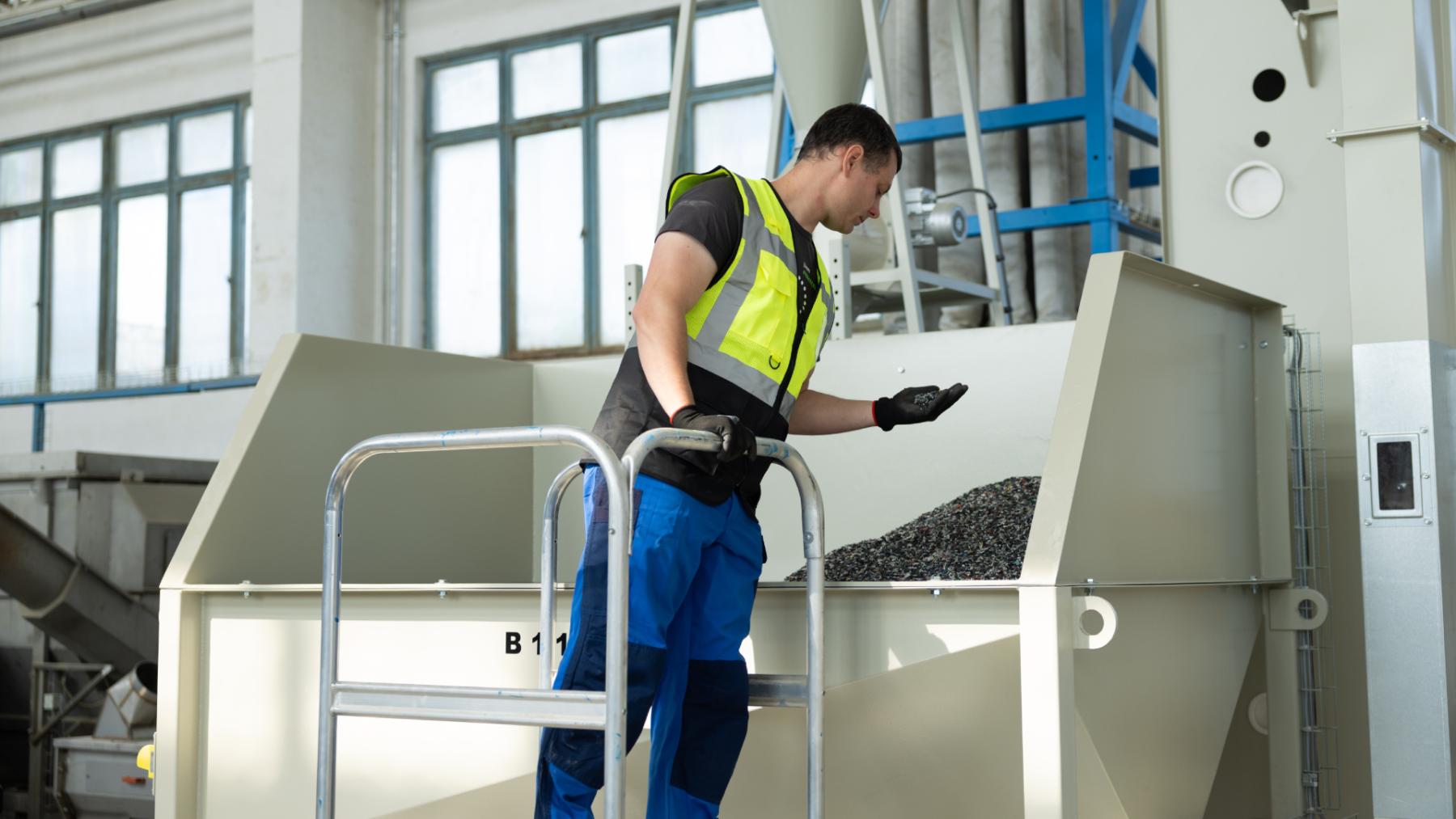
Refrigerator recycling at PRAKTIK takes place in three precisely connected steps. First, the unit is stripped down and the refrigerant and oil are safely extracted and separated. Next, the entire корпус is shredded – and at this stage, blowing agents are captured as well. In the third and final step, the plastics are processed and further purified. A refrigerator contains several different types of plastic.
“We have fully automated the entire process, with an emphasis on maximizing material recovery and protecting the environment. At the same time, we also refine the plastics under one roof, which is not common on a European scale. We use physical processes without chemical agents. That is our added value – most facilities specialize in only one part of the processing,” says Hloušková.
Ferrous metals go to steelworks, non-ferrous metals to foundries, gases to chemical plants, and glass to glass manufacturers. Polymers are used, for example, to make gardening tools, automotive interior parts, or everyday household items. “Our plastics are turned into hangers for fashion brands in Italy, while in England they are used to make promotional items,” says the Sales Manager.
She adds: “A refrigerator thrown away in Stráž pod Ralskem may, after being processed by our company, reappear in a household – perhaps as part of underfloor heating.”
The future belongs to simpler materials
A fundamental turning point came when manufacturers stopped seeing recycled material as inferior and began treating it as a fully fledged raw material for industry.
“Fifteen years ago, we had to approach dozens of companies before anyone would even buy recyclate. Today, the situation is exactly the opposite — demand is growing, and companies have learned how to work with recycled materials effectively. In the future, their use will moreover become a mandatory part of manufacturing new products,” Hloušková adds.
The reason is clear: pressure for sustainability, European legislation, and the drive for greater raw material self-sufficiency are pushing manufacturers to find new ways of reintegrating once-used materials into their production processes.
This direction is also reflected in the enormous interest from car manufacturers in incorporating recyclates into the production of new vehicles. The company’s Sales Manager offers a look behind the scenes: “We fine-tune projects over a period of years, but we are already seeing real results. For some time now, we have been supplying recyclate from car dashboards for the production of new ones. Everything has gone through testing, and dashboards made from reused materials are already being manufactured in series. We also have other recyclate-based products currently in pre-series production.”
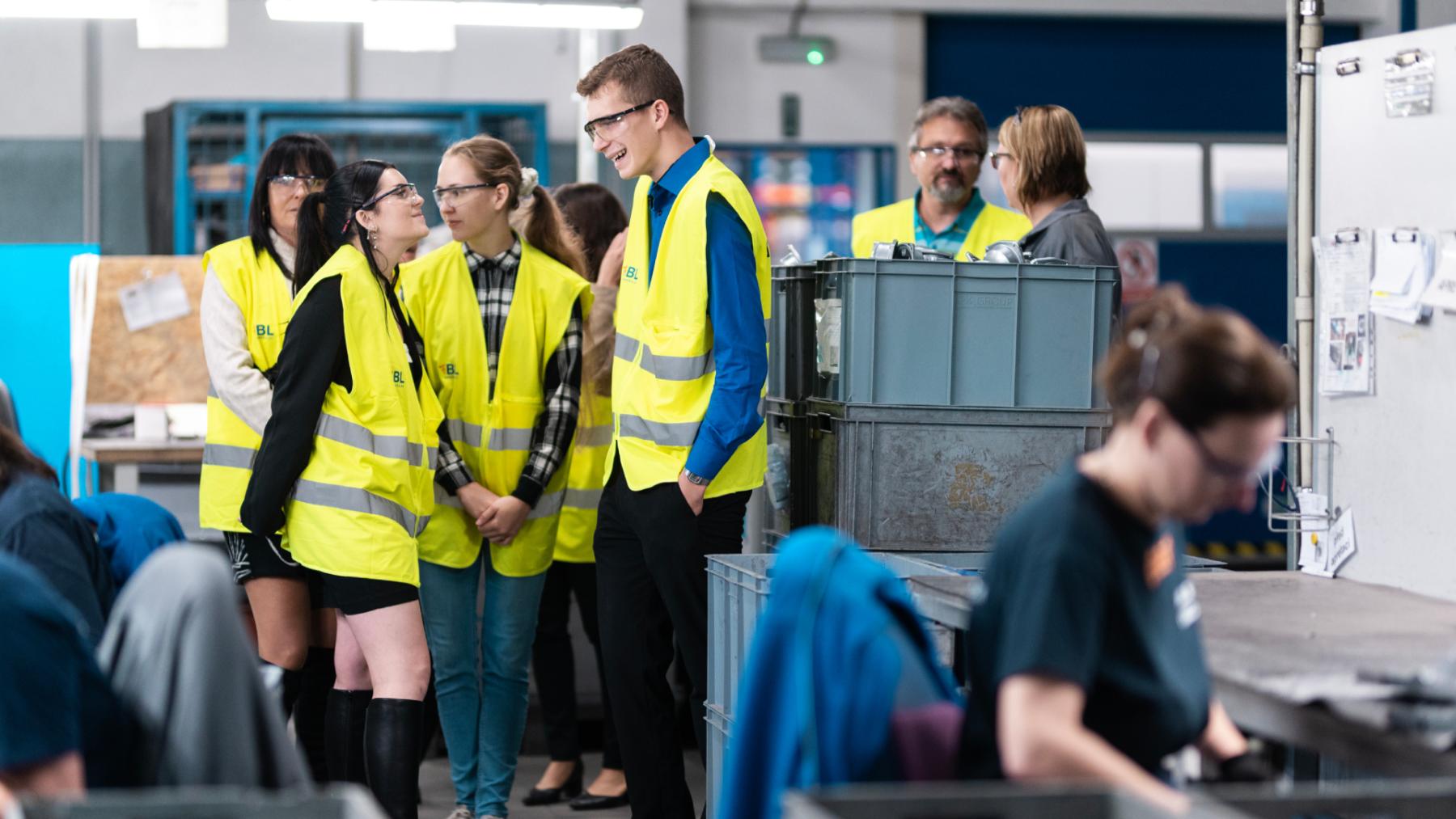
The approach to product design is changing as well. “Manufacturers are moving toward monomaterials so that products can be reused more easily. Today, a single car contains dozens of different material types, and we cannot efficiently separate all of them. The future belongs to simpler design and a closed material cycle,” she says. She also points to the importance of education: “We have long been involved in educational programs for schools and the public as well. Without that, this shift in thinking would not be happening nearly as fast,” Jana Hloušková concludes.