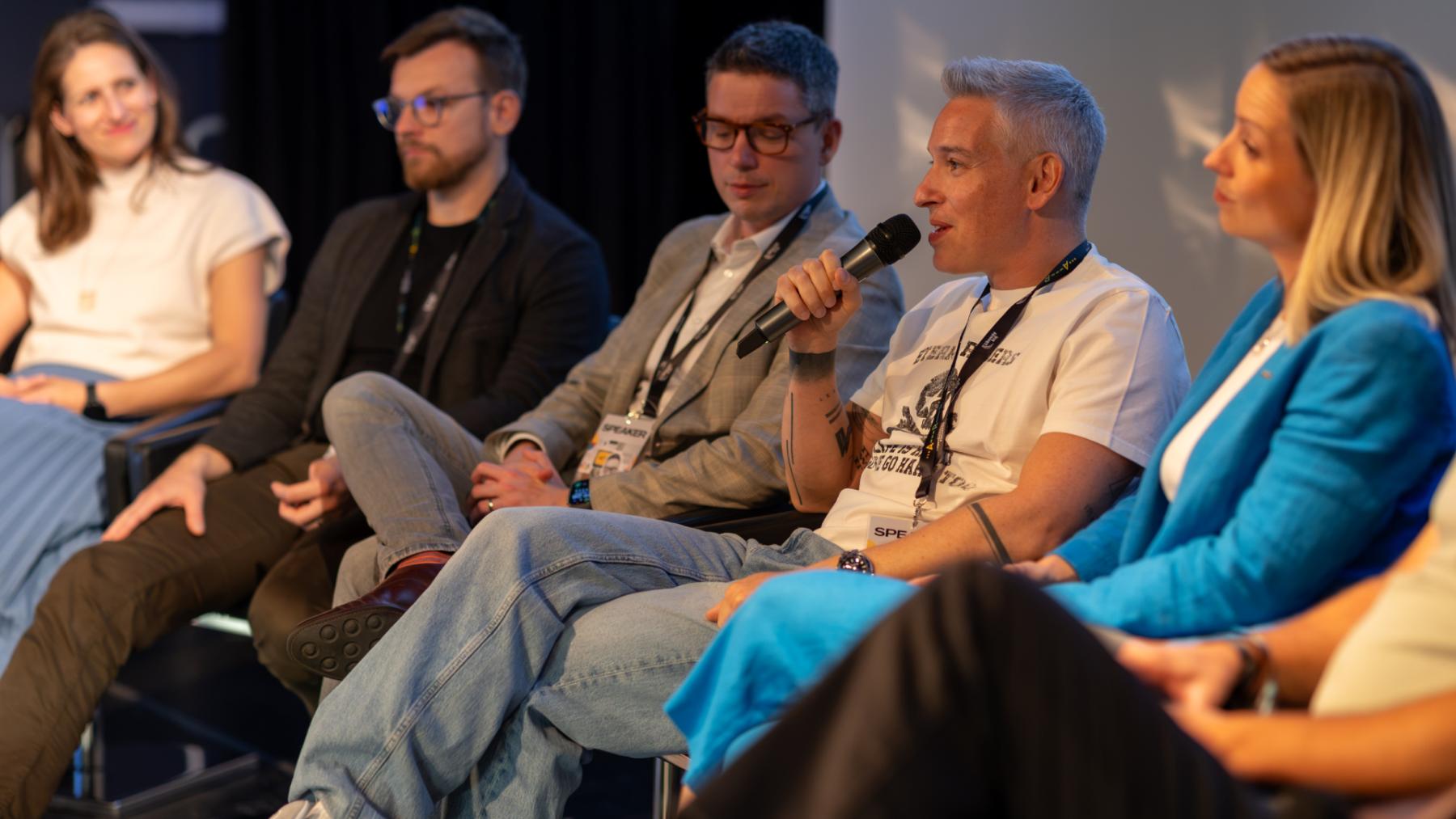
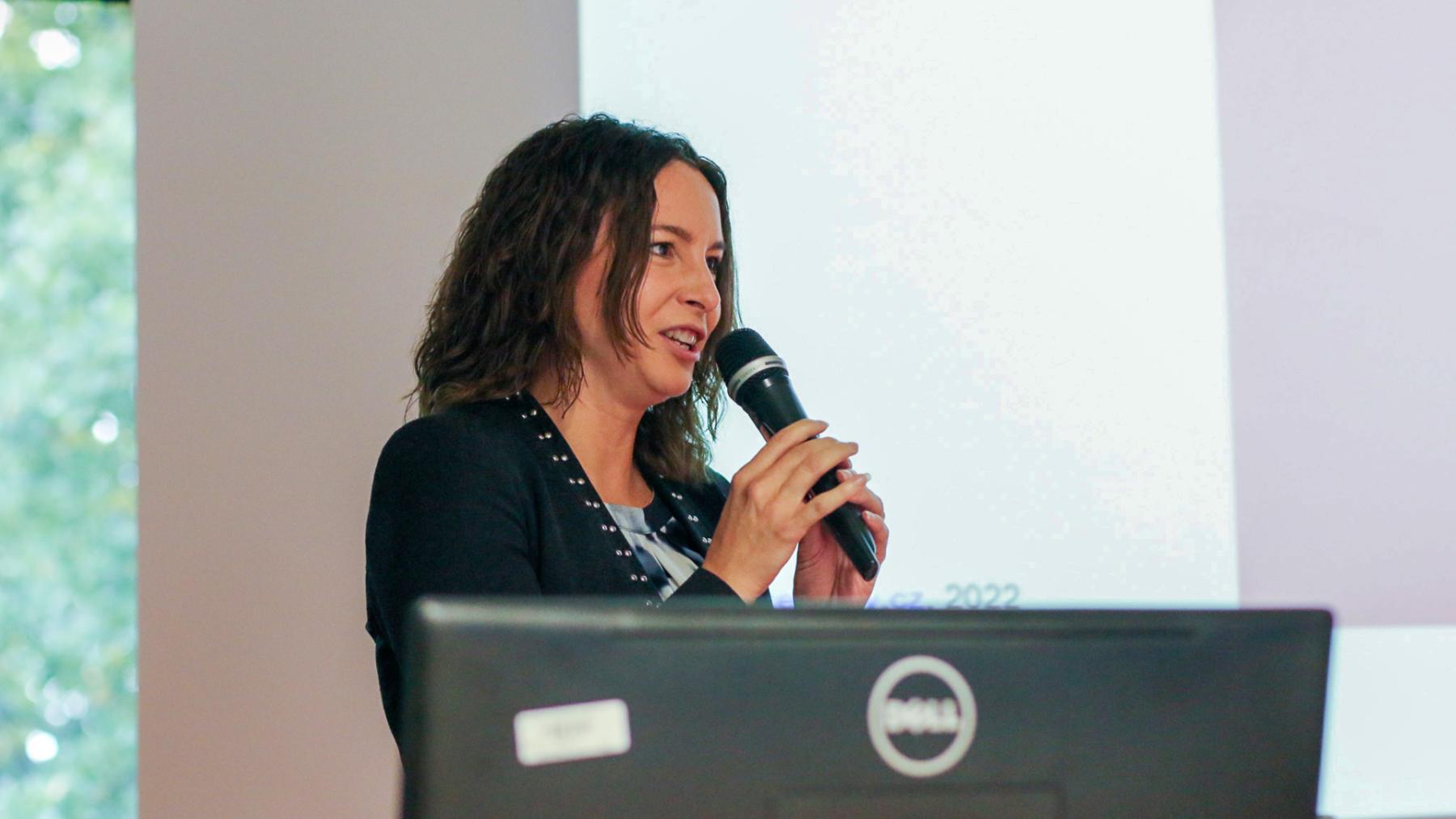
Marketing is changing rapidly. New technologies, tools and ways of reaching customers are constantly emerging. But even the best of them cannot solve the problems of a business that doesn't understand its customers or struggles to align marketing with product development and sales. Finding common ground between these areas was one of the central themes of the October Marketing Masters conference, brought to the region by the Regional Development Agency and the Liberec Region.
“Artificial intelligence is undoubtedly the most talked-about topic in our industry today. But at Marketing Masters, we wanted to focus primarily on the challenges businesses actually face in practice. AI can speed up many processes, but if marketing, product and sales teams don't share a common goal or understand their customers, no tool can solve those problems for them. Bringing these areas together in a practical way was our key priority this year,” says Lukáš Jokl from the Regional Development Agency.
Understanding your customers and your own business
One of the conference's major themes was the extent to which businesses genuinely listen to their customers when making decisions. In his presentation, Lukáš Pítra explored different ways to bring the customer voice directly into decision-making, from interviews and testing to feedback collection and quantitative research.
“AI can be a tremendous help when it comes to processing information. But it cannot replace direct contact with real customers. If a company doesn't ask questions, test its ideas or collect meaningful feedback, technology alone won't close that gap. After all, it's not just about having data. It's about being able to use it to drive real change within the business,” says Lukáš Pítra.
A similar disconnect can also exist within companies themselves. Ladislav Žižka highlighted the different languages spoken by management and marketing professionals. While executives focus on revenue, margins, EBITDA and profit, marketers tend to work with metrics and concepts such as impressions, clicks, conversions, brand and performance. When both sides find common ground and develop a shared understanding of the company's strategic objectives, their motivation to contribute to achieving those goals increases.
The importance of understanding business economics was also emphasised by Jiří Zima, founder of the Niceboy and Furiosa brands. According to Zima, marketers need to look beyond revenue and pay close attention to margins, costs and profitability. In his ten principles for growth, he used examples from pricing, planning and brand building to demonstrate just how closely product development, marketing and sales are interconnected.
Setting clear goals and getting others involved
One of the issues highlighted at the conference was the tendency to confuse marketing activities with the objectives they are supposed to achieve. In her presentation, Petra Saktor explained that running a campaign or increasing a budget is not a goal in itself. A marketing objective should define a specific change, identify the target audience, establish the current and desired situation, and set a deadline for achieving the intended result.
According to research by BetterBriefs & IPA, cited by Petra Saktor in her presentation, 61% of marketers and 71% of agencies consider a clear objective the most important part of a brief. At the same time, 55% of agencies report that clear objectives are the element most frequently missing from the briefs they receive.
Jana Daniela Šabatková drew attention to the importance of stakeholder engagement. She pointed out that four out of the five key stakeholder groups influencing a business are located outside the company itself. This makes it essential to actively involve customers and other stakeholders in decision-making, testing and finding solutions. Above all, businesses need to show them what has actually changed as a result of their input.
Building on the need to share information and align common goals, Martin Brablec closed the conference by demonstrating how artificial intelligence can help connect the work of marketing, sales and product teams. He compared AI to a more powerful pipeline capable of distributing information about customers, competitors, brands and product portfolios throughout a company. This allows individual teams to better coordinate their actions when making decisions.
Benefits for the wider region
“If we want to retain talented people in our region, we need businesses that understand their customers, can develop higher-value products and know how to sell them successfully. That's why we organise events that provide the know-how businesses need,” concludes Edvard Kožušník, Statutory Deputy Governor for Economic and Strategic Development of the Liberec Region.
Nearly 200 marketers and other professionals from Liberec and the surrounding area attended Marketing Masters, where six speakers explored the connections between product development, marketing and sales from different perspectives. After a one-year break, the Regional Development Agency and the Liberec Region brought the conference back to Vratislavice. The event's media partner was the Parliamo agency.