
Chips beyond the border: the Liberec Region seeks its place on Europe’s new semiconductor map
June 11, 2026
4 minutes
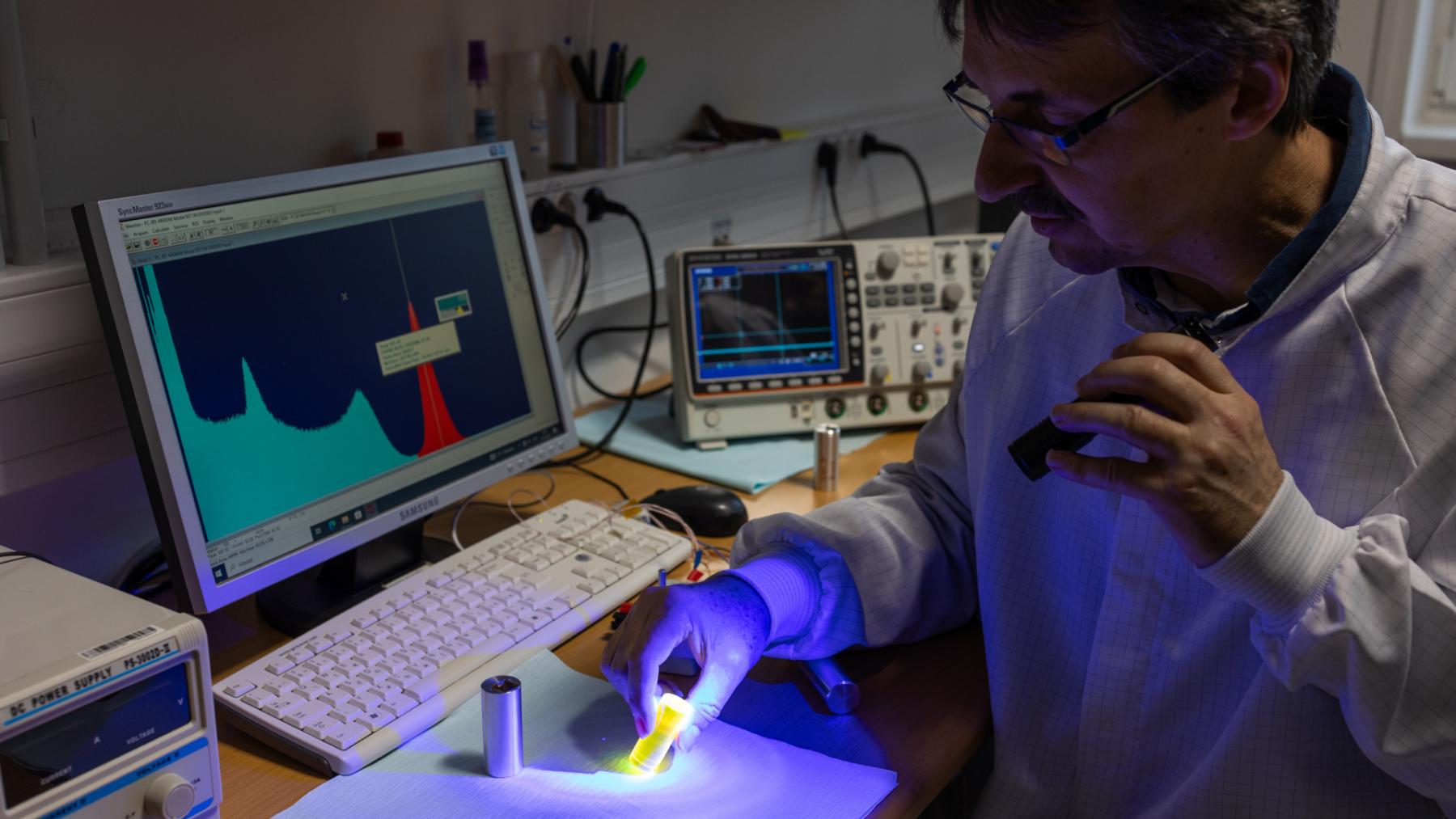
One of today’s most significant semiconductor projects in Europe is taking shape in Dresden. The new ESMC plant, backed by Taiwan’s TSMC together with Bosch, Infineon and NXP, is intended to strengthen European chip production for the automotive sector, industrial technologies and other strategic industries. For the Liberec Region, it represents an opportunity that could influence the shape of local industry for years to come.
A whole new ecosystem is emerging around the Dresden plant. “Just like the automotive industry, semiconductors are not built on manufacturing alone, but also on a network of suppliers, infrastructure, research and technical education that such a demanding industry requires. It is precisely within this chain that regions like ours can find their place, even if they do not produce chips themselves,” says Edvard Kožušník, statutory deputy governor of the Liberec Region responsible for economic and strategic development.
Together with the Regional Development Agency, the Liberec Region is working to identify in good time what it can offer to the Dresden ecosystem. The region can build on competencies that already exist locally. Crytur, asphericon and the TOPTEC research centre have long been active in optics and optoelectronics — fields that are important for precision measurement, inspection and specialised technologies.
The Technical University of Liberec adds research into advanced microelectronic systems, nanomaterials, thin films, water purification and other topics that may be relevant to the semiconductor value chain.
Some foreign companies will want to invest in production capacity directly in Saxony, while others may look for suitable locations in the wider area with good transport connections. It is this second group that may include our region in their strategic considerations and plans.

Putting the Region on the Semiconductor Map
“If we want to be attractive to potential partners, we need to be able to describe and present our competencies clearly,” says Edvard Kožušník.
That is why, at the end of last year, the Liberec Region and the Regional Development Agency organised a round table dedicated to involvement in the Dresden ecosystem. The event brought together representatives of local government, CzechInvest, the Technical University of Liberec, companies, research organisations, secondary schools and partners from Germany and Taiwan.
CzechInvest brought valuable experience from foreign semiconductor ecosystems to the discussion, as well as expertise in working with value chains. It is helping the Liberec Region place local companies, research and education within a broader map used by investors, technology partners and international clusters.
The participation of the Taiwanese delegation served as a reminder that major investments bring not only capital and technology, but also people, culture and new ways of working together. “If we want to be part of this, we need to understand not only the economic dimension, but also the partners we are negotiating with,” adds Edvard Kožušník.
Website about semiconductors in the Liberec Region

The Liberec Region offers a strong supplier and research base for the semiconductor industry, ranging from precision engineering and optics to nanotechnology and ICT. Explore regional companies, research institutions and their expertise, all in one place.
The Next Step Is ECOpole
The next major step will be the international ECOpole’26 conference, which will take place on 9–11 December 2026 at the Technical University of Liberec. The upcoming edition will focus primarily on Central Europe’s involvement in the semiconductor ecosystem, including cross-border cooperation between local governments, companies and other partners from Czechia, Germany and Poland.
“The Liberec Region does not have to manufacture chips in order to be part of this industry. If we can make good use of local potential, our region can also benefit from what is happening in Dresden today,” concludes Edvard Kožušník.
Recommended articles
AI won't save you if you don't know what you want. Marketing Masters showed what businesses really need
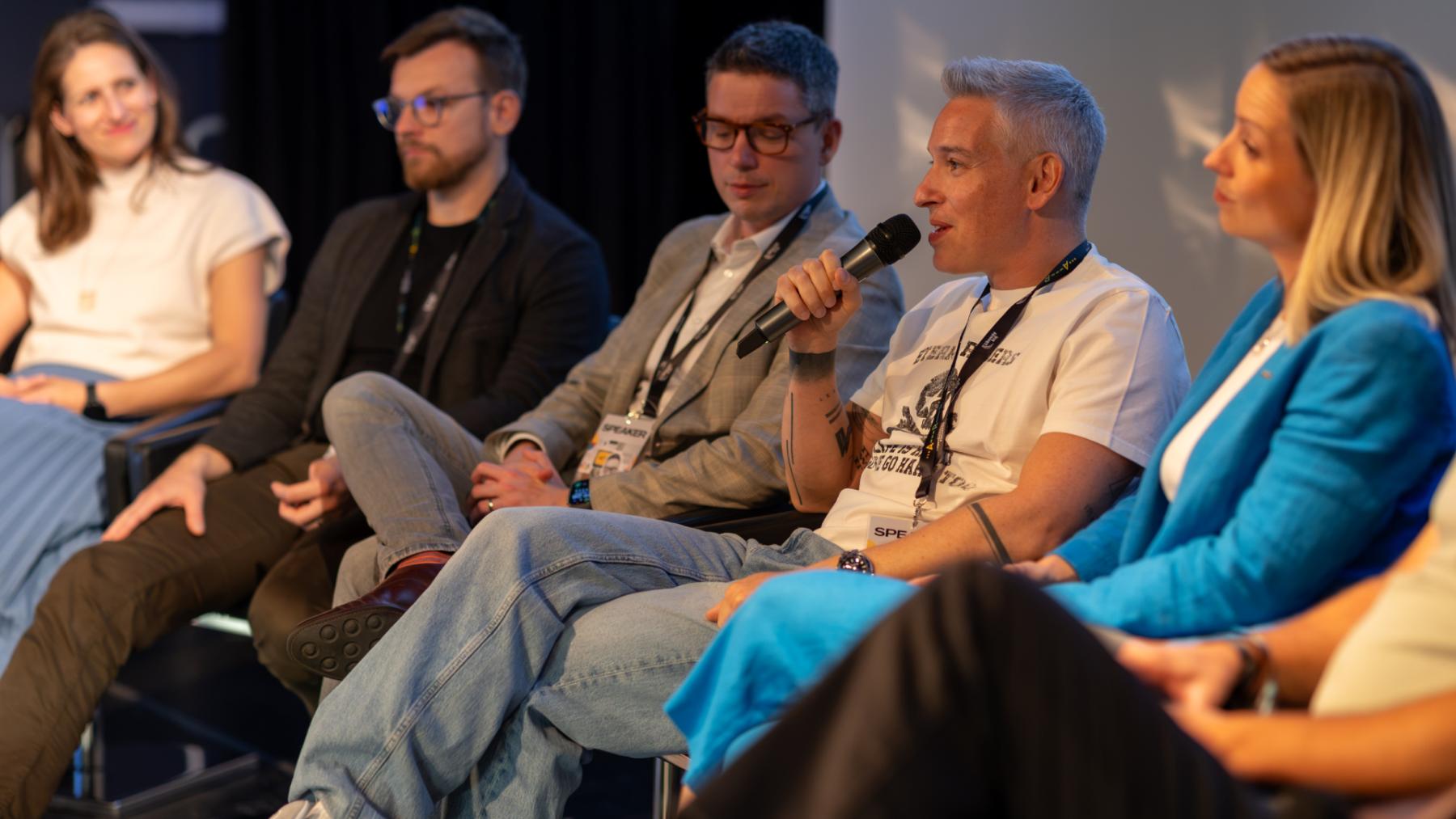
Marketing is changing rapidly. New technologies, tools and ways of reaching customers are constantly emerging. But even the best of them cannot solve the problems of a business that doesn't understand its customers or struggles to align marketing with product development and sales. Finding common ground between these areas was one of the central themes of the October Marketing Masters conference, brought to the region by the Regional Development Agency and the Liberec Region.
Student proposals improve manufacturing operations through TechStarter. Its third edition is launching
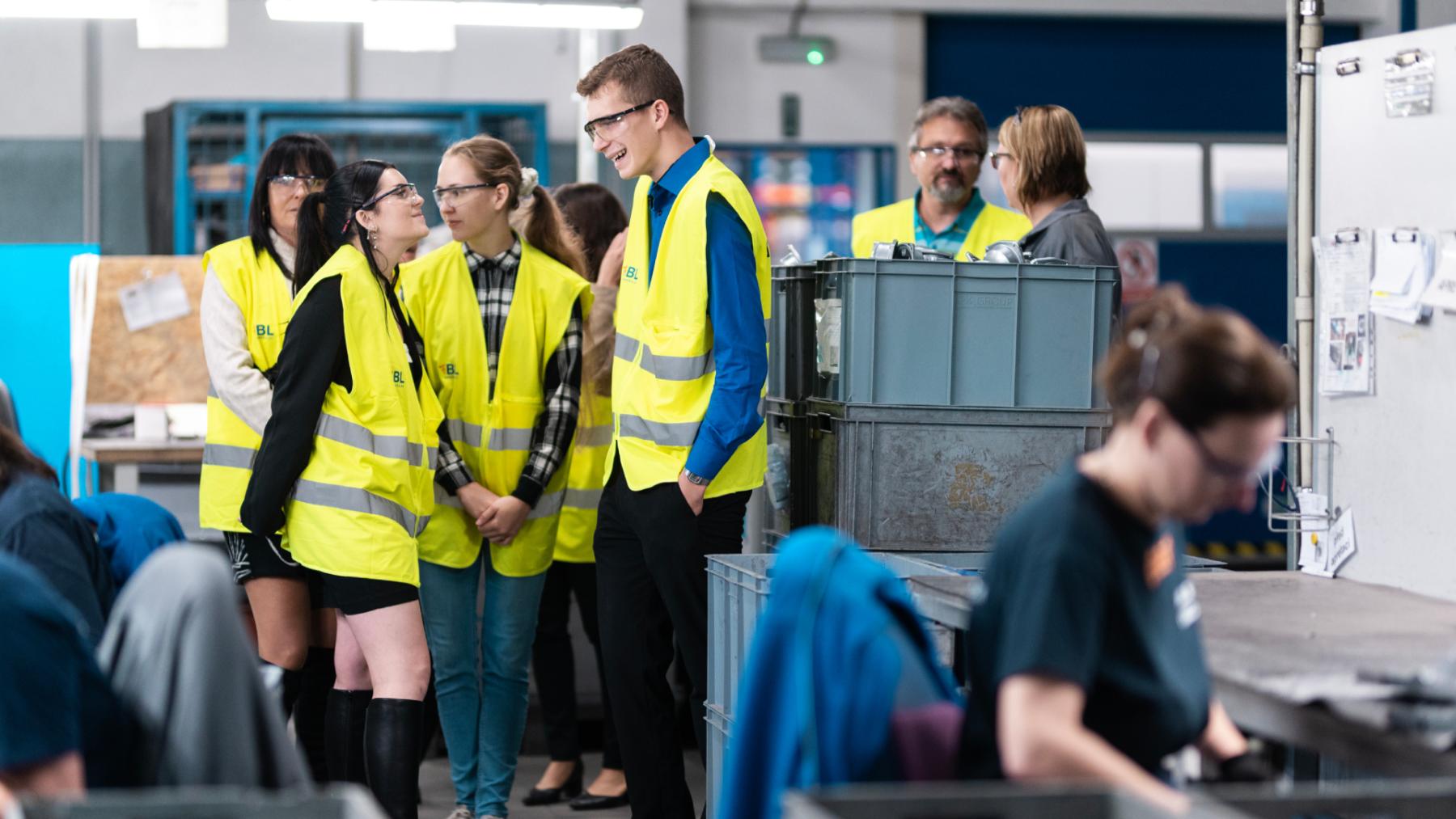
ZF Automotive’s Jablonec plant wants to test machine vision on an assembly line, while industrial equipment supplier FOXON plans to visualise data from electricity meters. These are just some of the challenges awaiting participants in TechStarter 2027, a competition programme organised for the third time by the Regional Development Agency and the Liberec Region. The programme gives students at secondary technical schools the opportunity to work on problems that companies are actually dealing with.
Be with us. Be part of what’s next.





The 1012plus.cz portal has been implemented within the framework of “Smart Akcelerator II Libereckého kraje” project CZ.02.2.69/0.0/0.0/18_055/0016369.
Smart Akcelerator II Libereckého kraje has been implemented by ARR s.r.o. and it has been funded using the European Union funds, the Ministry of Education, Youth and Sport of the Czech Republic and Liberec Region. © ARR spol. s r.o., U Jezu 525/4, 460 01 Liberec