
Tomáš Šebek: We carry our health in our pockets. Technology is transforming medicine and responsibility
February 5, 2026
4 minutes
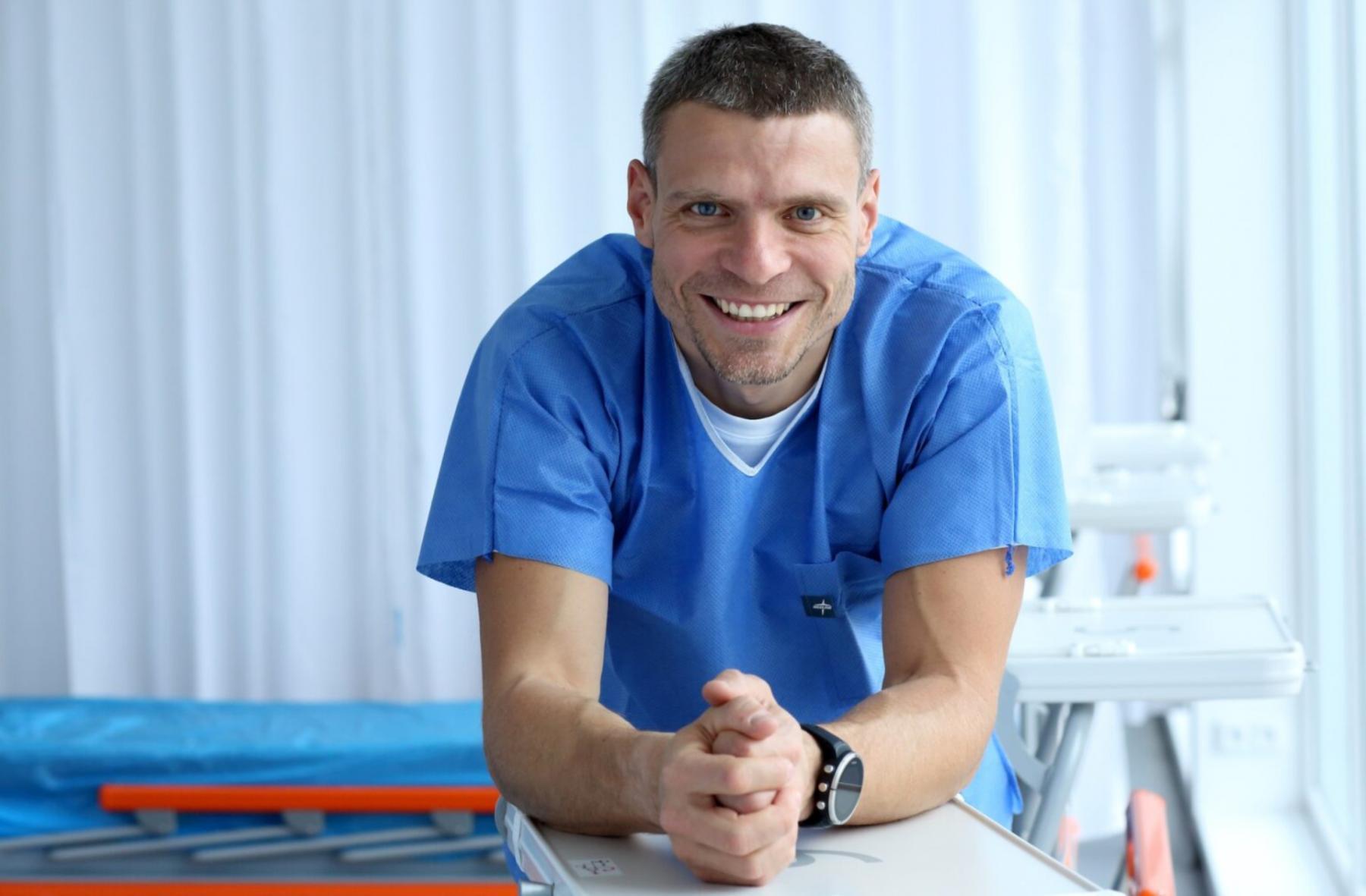
When we think of healthcare, we picture a doctor’s office, a waiting room or a hospital ward. A doctor and a patient, the two main actors in a dialogue about health. But that approach is no longer enough. Modern technology is increasingly stepping into the conversation. Tomáš Šebek, a doctor “without borders”, founder of the start-up uLékaře.cz and host of this year’s TechCare 2026 conference, explains how he sees this transformation and why he considers the role of start-ups and artificial intelligence to be crucial.
Data that used to be generated only in a laboratory or under a doctor’s supervision are now collected by people themselves through smartwatches and mobile phones. We count steps, track heart rhythms and monitor our sleep. In doing so, we are also opening up the question of responsibility for our own health.
“Technology now allows us to understand the signals our bodies send, follow long term trends and gain a better understanding of ourselves. But on its own, that is not enough. What matters is how well we are able to work with that information. We still tend to ignore some of the data, stop wearing the devices or put off acting on the recommendations,” says Tomáš Šebek.
He sees the logistics of care as a key issue, meaning the ability to direct a patient to the place where they can actually get help. “In today’s healthcare system, we often get lost in inefficient structures. People drift through it, unsure whom to turn to. They draw on capacity where there is none and, at the same time, remain unaware of options elsewhere. Technology, in fact quite simple work with data, can make that journey much shorter and much clearer,” he explains.
AI and teamwork instead of instant miracles
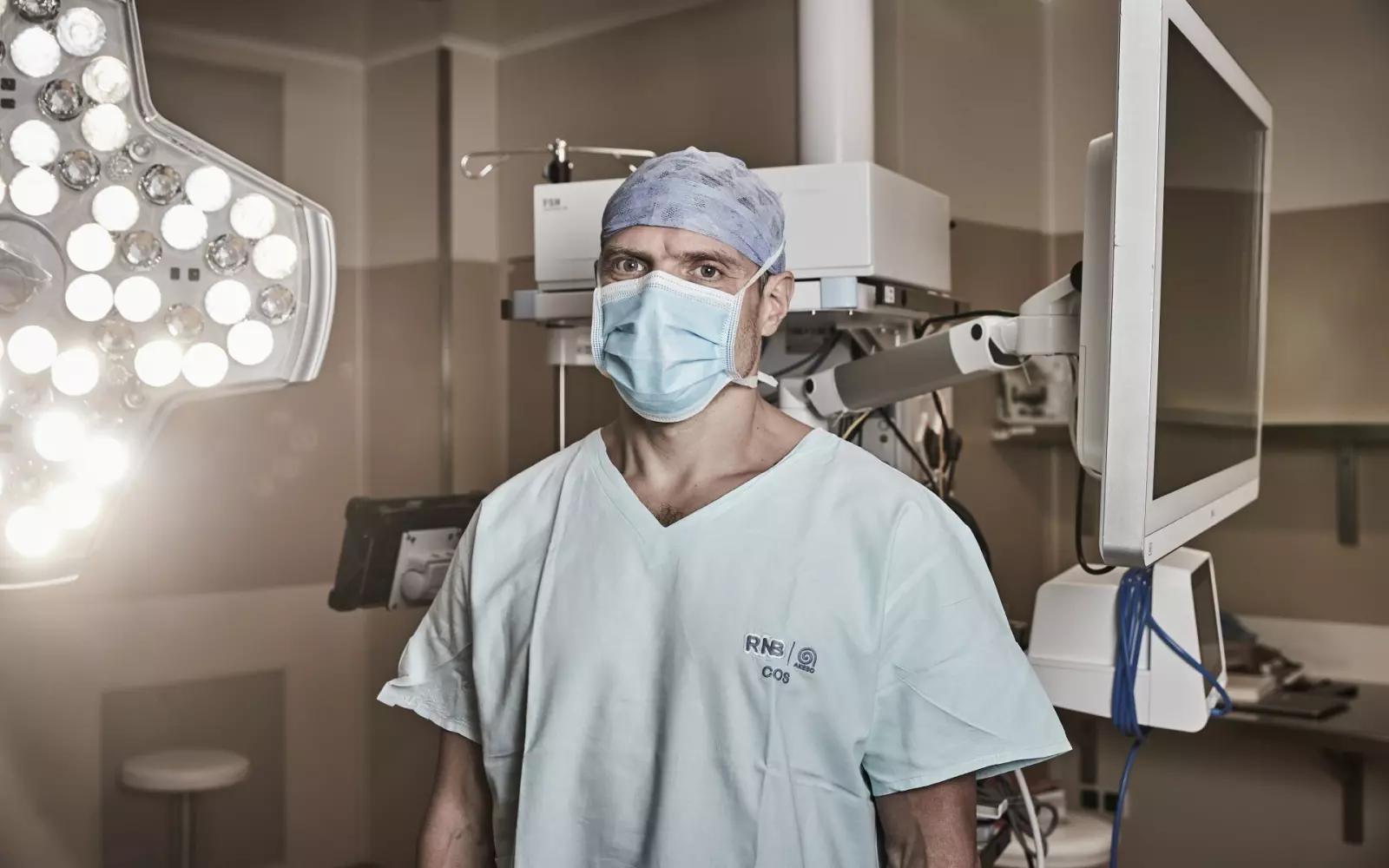
New diagnostic possibilities illustrate this progress perfectly. An experienced surgeon takes the floor: “In the Czech Republic, for example, we have the start-up Kardi Ai, whose device can monitor heart rhythm over the long term and detect serious arrhythmias. If a warning signal appears, a cardiologist takes over and decides on the next steps. This is one way technology can protect lives today, acting as a partner to the doctor rather than a replacement.”
He offers a similar assessment of the endoscopic device Maia, developed by the Czech company of the same name. In this case, advanced instrumentation is combined with that much discussed element: AI. “Even the best endoscopist can overlook a small pathology during an examination, one that may later develop into a serious problem. Today, artificial intelligence can quite literally ‘look over the doctor’s shoulder’ during the procedure. It evaluates the camera image in real time and alerts the doctor to findings that might escape human attention. In this way, the Maia system supports further decision making,” Šebek explains.
Healthcare is in any case becoming a major field of activity for new companies. According to the doctor, the Czech Republic is one of the countries where a wide range of functional solutions are emerging. “In Central Europe, we are strong in start-ups, and in health tech we already have a number of projects that have found both users and investors. But real success does not lie in the idea alone. What matters is how many of them can actually be brought into practice and monetised,” he points out.
He considers perseverance, and the ability to overcome failure, to be essential. “From experience, I know that most ideas end up in the bin. But in medicine especially, perseverance is what counts. If the first attempt fails, you try a second, a third, and perhaps only the nineteenth will succeed. It is not about luck or a flash of inspiration, but about daily hard work and the willingness to learn from failure,” he sums up with perspective.
Barriers and the future direction of care
The digitalisation of Czech healthcare has been discussed for many years. But according to Šebek, we keep running into the absence of clear leadership: “When it comes to digitalisation, we remain stuck with partial steps. The system is fragmented, we rely on impressions, and without data we essentially have nothing to manage. If we want to change that, we should start, for example, with a fully fledged personal health record for everyone, one that would allow information to be shared effectively,” he believes.
He sees more promising prospects in the use of technology in the care of specific groups. He points out that smart devices can significantly increase the safety and independence of those who would otherwise depend on the help of others. “Everyone today can imagine a wristband that locates a lost senior when needed, but that is only the beginning. I can imagine a home equipped with sensors that call for help, for example in the event of a fall, without the need to install cameras,” concludes Tomáš Šebek.
And he adds: “Technology is always only a tool. Whether it truly helps depends on people, both doctors and patients. That is precisely why it makes sense to talk about the future of care across professions and generations. I will be glad if you come, take part and join the discussion at TechCare 2026.”
Join us at TechCare 2026
Come and see at TechCare 2026 what the connection between healthcare, technology and a human approach looks like through the eyes of a doctor and innovator.
The conference will take place on Wednesday, 25 February 2026, from 10:00 a.m. to 6:00 p.m. at the Vratislavice 101010 Cultural Centre. Admission is free upon prior registration.
Recommended articles
AI won't save you if you don't know what you want. Marketing Masters showed what businesses really need
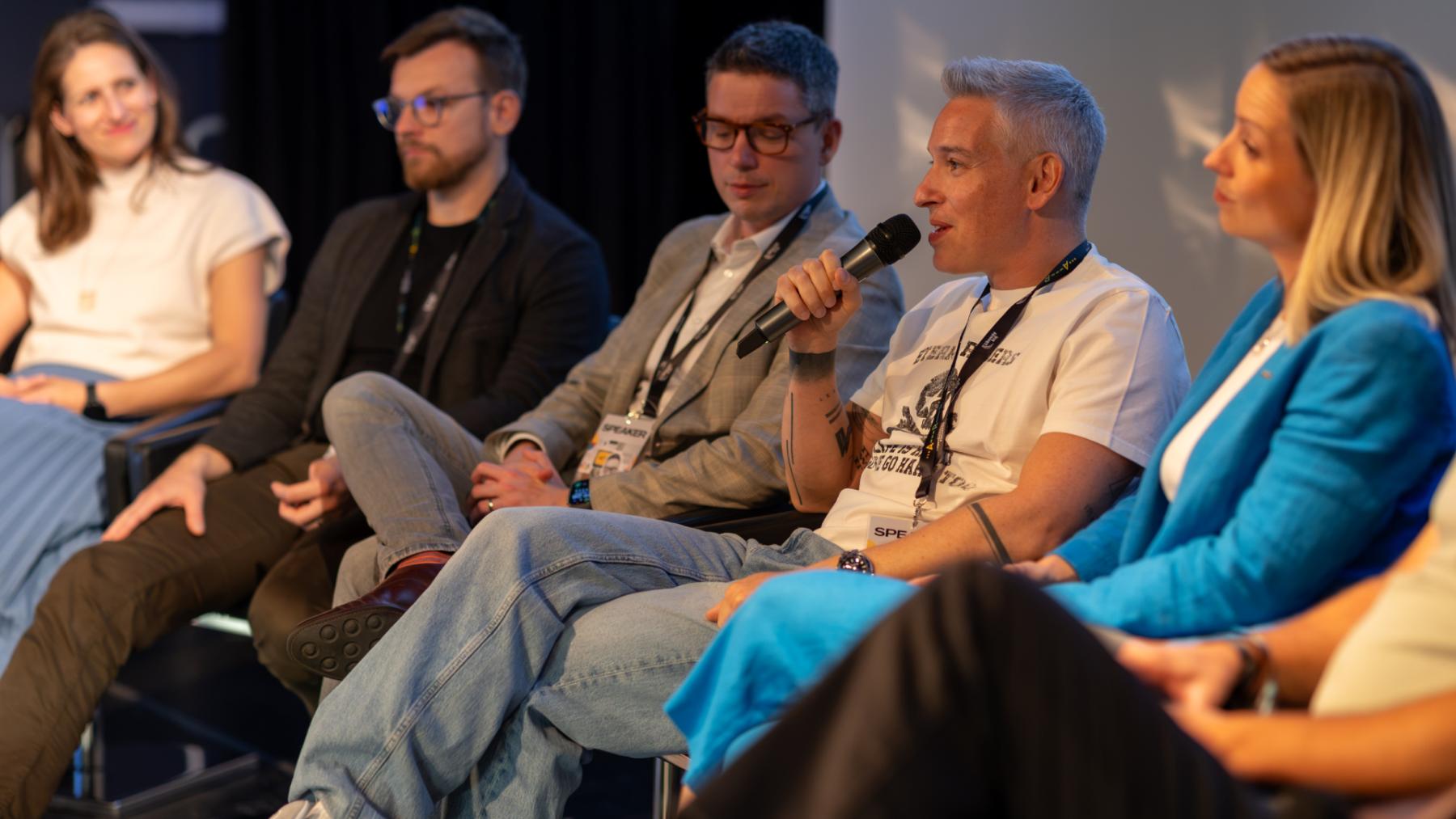
Marketing is changing rapidly. New technologies, tools and ways of reaching customers are constantly emerging. But even the best of them cannot solve the problems of a business that doesn't understand its customers or struggles to align marketing with product development and sales. Finding common ground between these areas was one of the central themes of the October Marketing Masters conference, brought to the region by the Regional Development Agency and the Liberec Region.
Student proposals improve manufacturing operations through TechStarter. Its third edition is launching
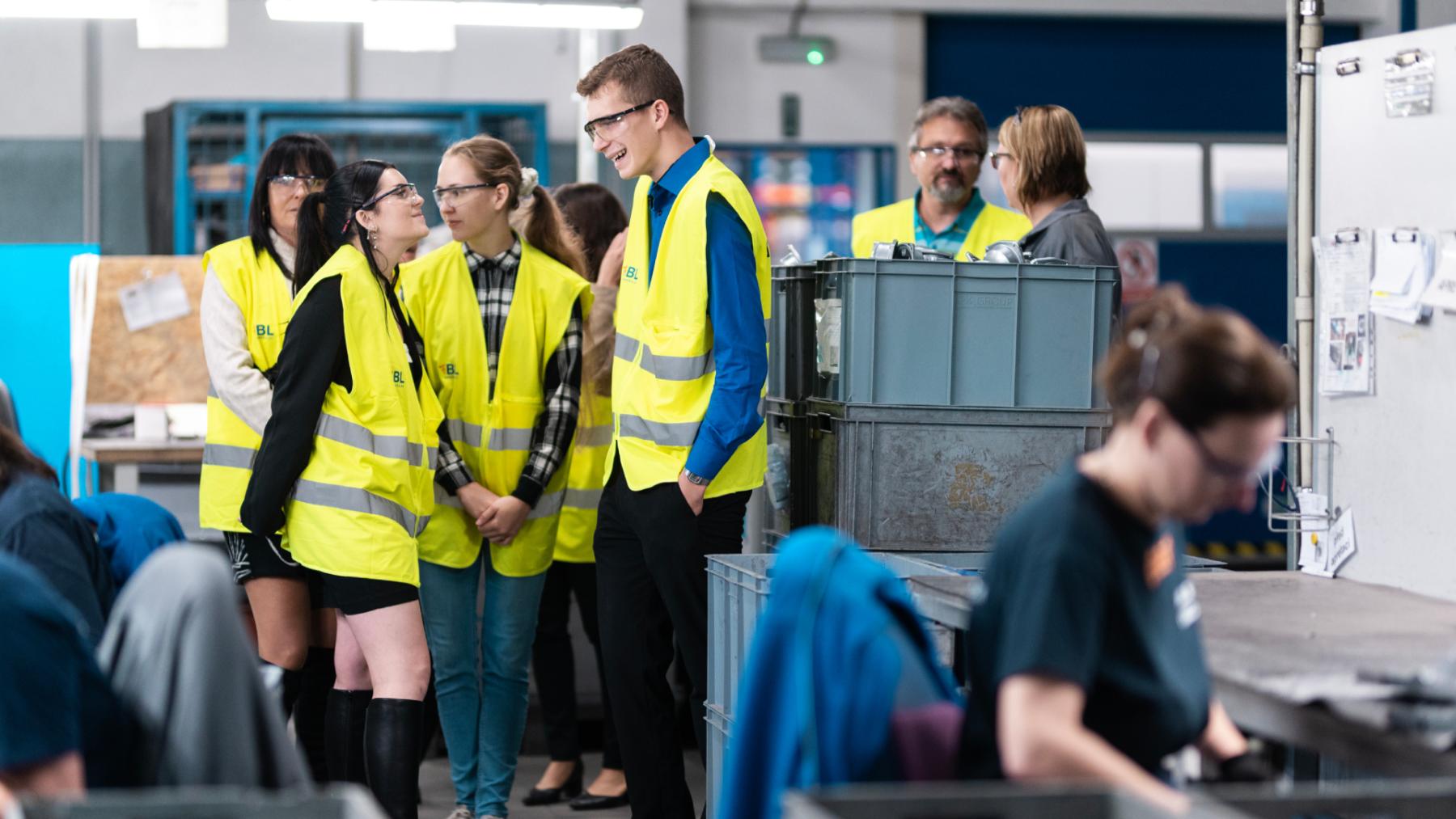
ZF Automotive’s Jablonec plant wants to test machine vision on an assembly line, while industrial equipment supplier FOXON plans to visualise data from electricity meters. These are just some of the challenges awaiting participants in TechStarter 2027, a competition programme organised for the third time by the Regional Development Agency and the Liberec Region. The programme gives students at secondary technical schools the opportunity to work on problems that companies are actually dealing with.
Be with us. Be part of what’s next.






The 1012plus.cz portal has been implemented within the framework of “Smart Akcelerator II Libereckého kraje” project CZ.02.2.69/0.0/0.0/18_055/0016369.
Smart Akcelerator II Libereckého kraje has been implemented by ARR s.r.o. and it has been funded using the European Union funds, the Ministry of Education, Youth and Sport of the Czech Republic and Liberec Region. © ARR spol. s r.o., U Jezu 525/4, 460 01 Liberec