Smart solutions for everyday life: The sixth edition of the Business Talent student competition kicks off
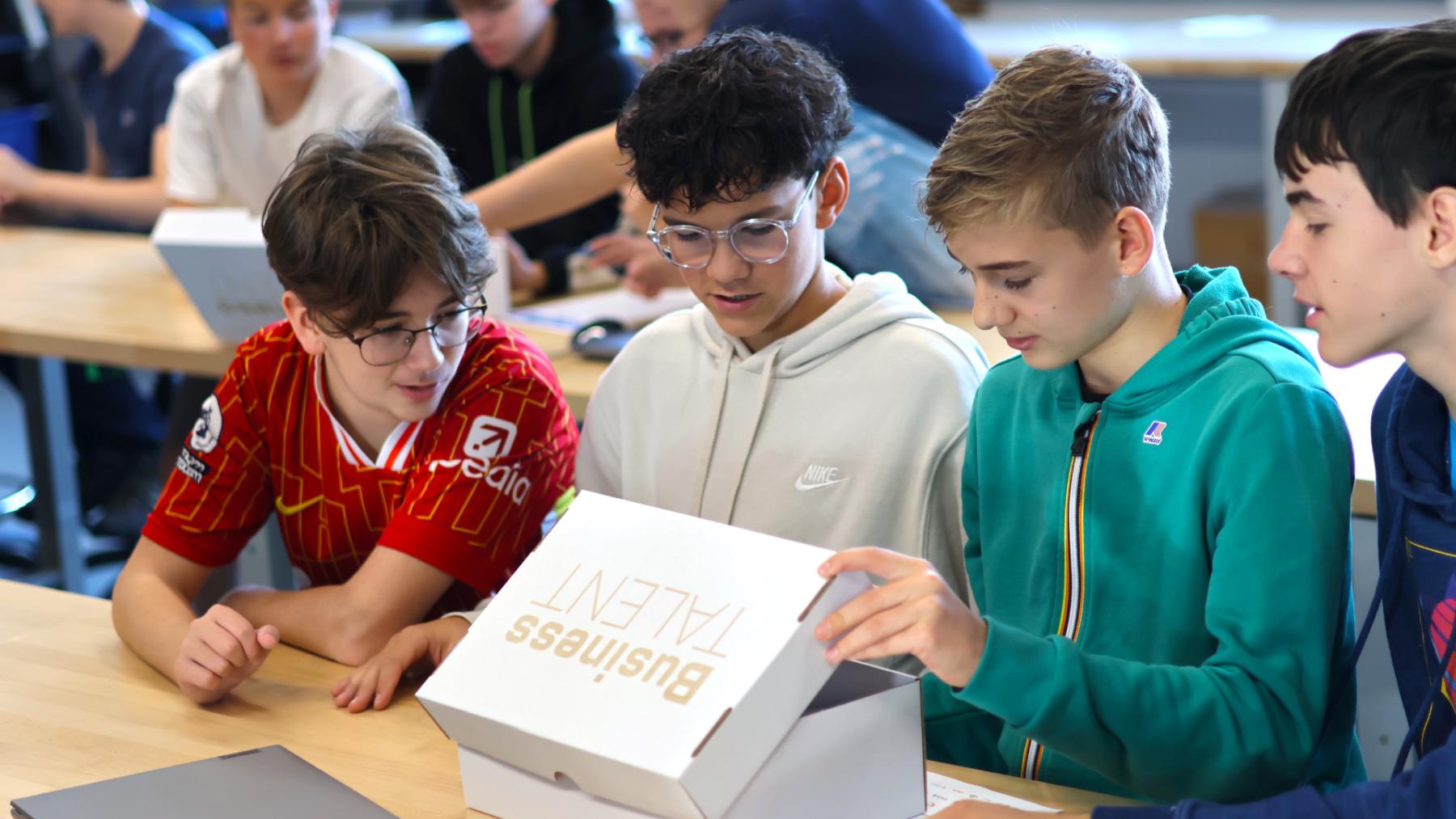
Come up with and create anything that makes everyday life easier. That is the challenge for the sixth edition of Business Talent, a polytechnic competition organised by the Regional Development Agency, iQLANDIA and the Liberec Region in cooperation with their partners. Over eight competition rounds, eighth- and ninth-grade primary school students will develop clever solutions to everyday challenges in the iQFABLAB smart workshop. They will have access to a wide range of equipment and technologies, including laser cutting, 3D printing and soldering. This year, they will also have the opportunity to program their inventions.
Top-level science is not confined to Prague. So why do we hear so little about it?
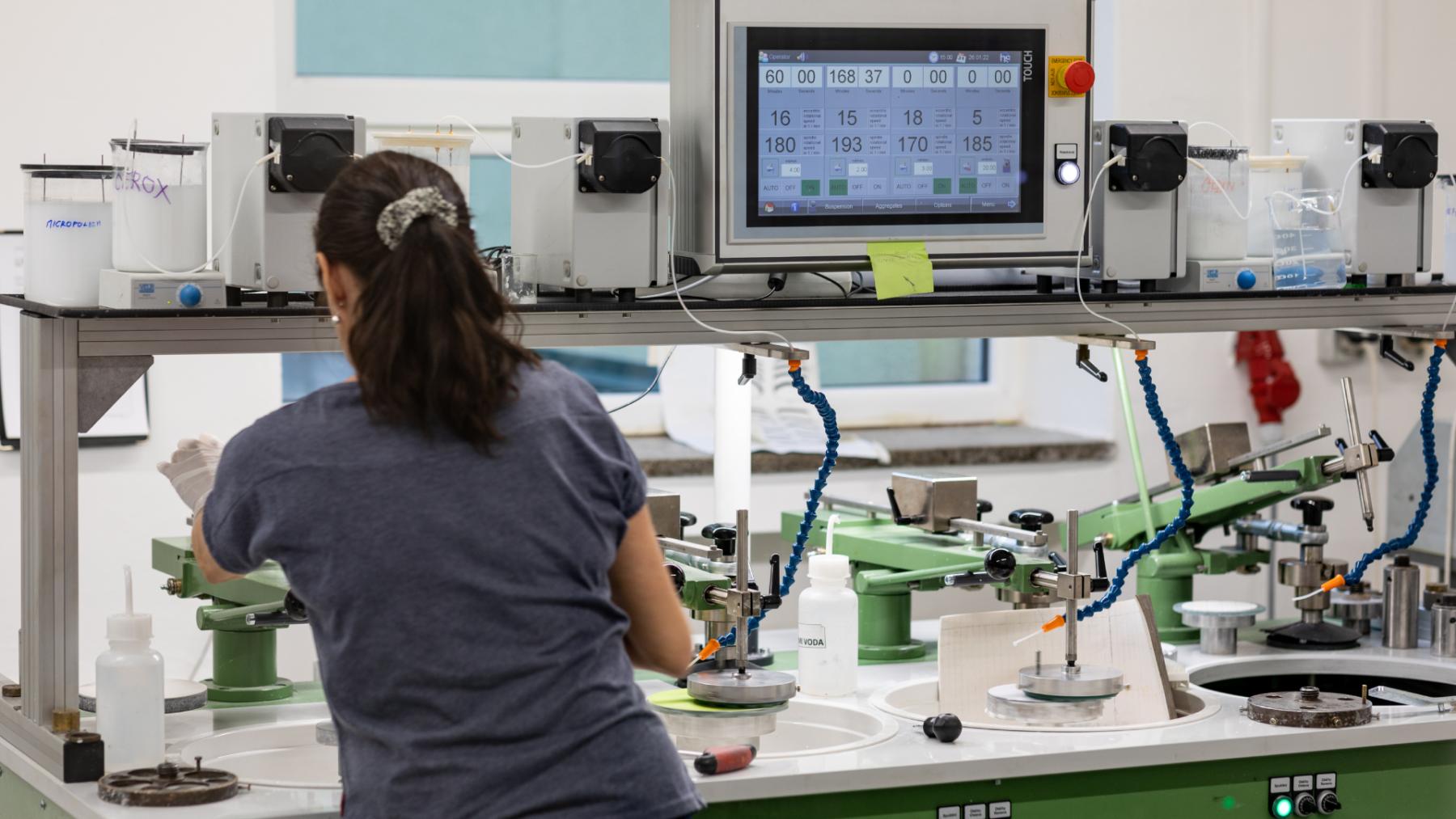
Karel Žídek has received one of Europe’s most prestigious ERC grants. Karolína Morávková made it to the Falling Walls Lab final in Berlin thanks to her research. Eduard Seibert attracted international attention with a light fixture created with the help of bees.
Business support fair is back, bringing companies and entrepreneurs together with experts in one place
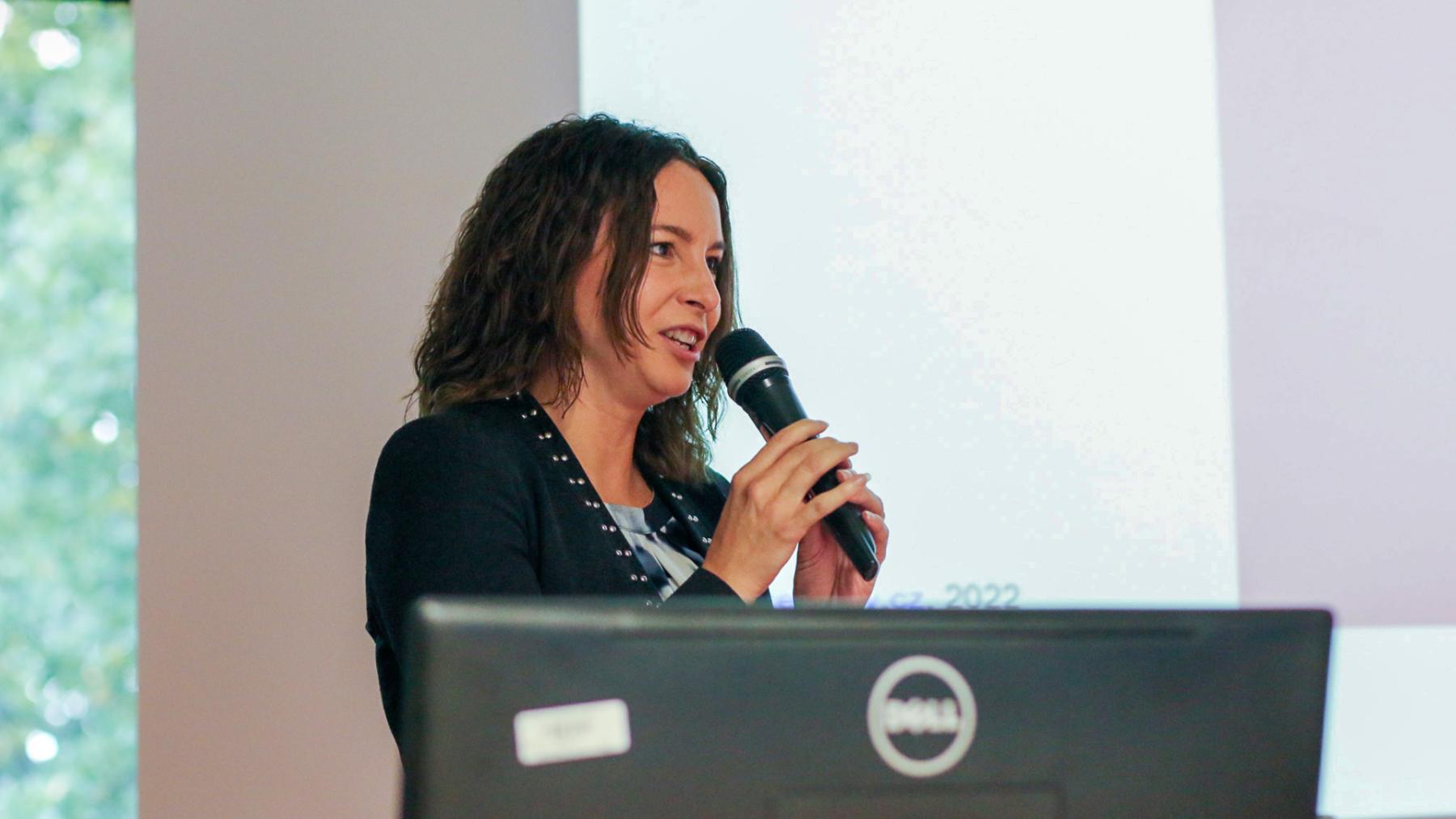
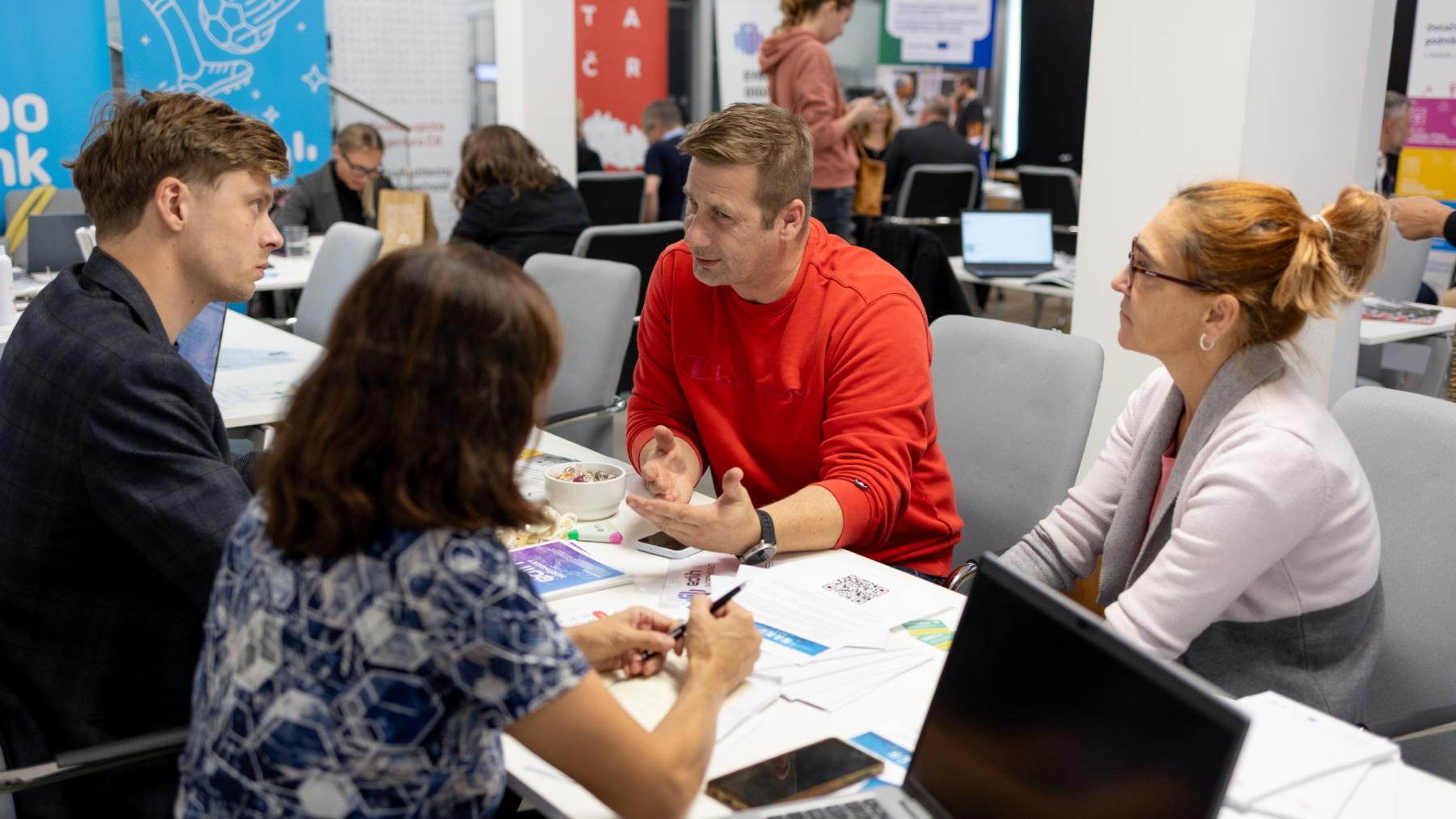
Are you planning an investment, launching a new project or looking for ways to move your business forward? On 16 September from 9:00 AM, CzechInvest invites you to the Business Support Fair at the Lipo.ink Meeting Point. During a single morning, you can get an overview of available support options and discuss your specific plans with experts from a wide range of institutions. Participation is free of charge.
Business Talent 2026 is just around the corner. Register your class in time
For the sixth year running, the Business Talent competition will challenge eighth- and ninth-grade students to put their technical skills, creativity and teamwork to the test. This year, the organisers – the Regional Development Agency, the iQLANDIA science centre and the Liberec Region – have set them the following task: use the available components in the modern iQFABLAB workshop to create a smart solution that makes everyday life better. Schools can register until Thursday, 10 September.
Regional data help young people understand where they live — and the power of information
Regional data make it easier to understand new topics and discover more about the place we live in. Czech, mathematics, biology, geography — or just about any other subject you can think of. Regional data from the Liberec Region Data Portal can be used almost anywhere to connect classroom learning with an environment that pupils and students know well.
Chips as a new opportunity for the Liberec Region. Local technologies are heading to Taiwan
A new chip factory being built in Dresden could create new business opportunities for companies in the Czech Republic as well. The Liberec Region is therefore already preparing to become part of the emerging European semiconductor ecosystem by mapping technologies developed by local companies and the Technical University of Liberec and connecting them with international partners. In September, it will head directly to one of the world’s key semiconductor hubs: at SEMICON Taiwan, the region plans to showcase what it has to offer.